


Businesses regularly replace computers, servers, networking equipment, storage devices, and other technology as their IT environments evolve. When older equipment is no longer needed, simply leaving it in storage can take up valuable space and tie up potential value. Learning how to sell used IT equipment can give organizations an opportunity to recover some of their original investment while supporting responsible technology reuse.
However, selling used IT equipment involves more than finding a buyer. Businesses need to consider data security, equipment condition, asset tracking, market demand, and the appropriate process for handling devices before they leave the organization. A structured approach can make the process more efficient while reducing potential risks.
Why Businesses Sell Used IT Equipment
Technology has a relatively short operational cycle. Computers may be replaced because employees need newer hardware, while servers and networking equipment can become outdated as organizations adopt newer infrastructure.
Selling equipment that still has useful life can be an alternative to simply disposing of it. Working laptops, desktops, monitors, servers, switches, storage systems, and other hardware may have value in secondary markets.
For businesses, this can help recover part of the equipment's residual value. It can also reduce the amount of technology that ultimately becomes electronic waste.
Not every device will have meaningful resale value, however. Age, specifications, condition, manufacturer, model, demand, and availability of replacement parts can all influence how much a piece of equipment is worth.
What Used IT Equipment Can Be Sold?
A wide range of technology assets can potentially be resold depending on their condition and market demand.
Common examples include laptops, desktop computers, workstations, monitors, tablets, smartphones, servers, networking equipment, storage arrays, printers, and certain peripheral devices.
Enterprise environments may also have larger quantities of specialized equipment, including switches, routers, access points, server components, and data-center hardware.
The resale potential of each item should be evaluated individually or as part of an organized asset inventory. Equipment that no longer has meaningful resale value may need to follow a different recycling or responsible disposition process.
Determine the Condition of the Equipment
Condition is one of the most important factors when determining whether to sell used IT equipment.
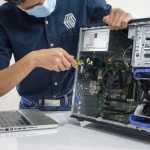
Before listing or offering equipment to a buyer, organizations should document its physical and functional condition. A laptop with minor cosmetic wear but a healthy battery and fully functioning components may have substantially more value than a similar device with a damaged display or failing storage drive.
Important considerations include whether the equipment powers on, whether major components function correctly, whether there is physical damage, and whether accessories such as chargers or mounting hardware are included.
Accurate descriptions are important because they help buyers understand exactly what they are purchasing and reduce misunderstandings during the transaction.
Data Security Comes Before Resale
One of the most important considerations when selling used IT equipment is protecting information stored on the devices.
Computers, servers, hard drives, solid-state drives, smartphones, and other storage devices may contain sensitive corporate information, employee records, customer data, credentials, or other confidential material.
Deleting files manually or performing a basic factory reset should not automatically be treated as sufficient data destruction. Organizations need a process appropriate to the sensitivity of the information and the type of storage media involved.
Before equipment is sold, businesses should establish how data will be securely removed and how the process will be documented. Where required, organizations may also need records demonstrating that the appropriate data sanitization process was completed.
Data security should therefore be treated as a core part of IT asset disposition rather than something handled after equipment has already been sold.
Create an Accurate IT Asset Inventory
An organized inventory can make selling used IT equipment significantly easier.
Each asset can be documented using information such as manufacturer, model, serial number, specifications, condition, quantity, and location. Organizations may also record whether the device has been tested, sanitized, repaired, or prepared for resale.
An inventory helps businesses understand exactly what they have before approaching potential buyers. It can also make it easier to group similar equipment into lots.
For larger organizations, maintaining accurate asset records throughout the disposition process provides greater visibility and helps prevent equipment from being misplaced or processed incorrectly.
Understanding Used IT Equipment Value
The value of used IT equipment depends on several variables. Age and specifications are obvious considerations, but market demand can be equally important.
A relatively recent business laptop with a current processor, sufficient memory, and solid-state storage may attract buyers looking for affordable business computing equipment. Older hardware may have a smaller market, particularly if replacement components are difficult to obtain.
Enterprise equipment can also have value even after it is no longer suitable for its original environment. Certain servers, networking devices, and storage systems may be useful to organizations that need compatible equipment or spare parts.
Condition, quantity, configuration, and the completeness of the equipment can all affect the final resale value.
Selling Equipment Individually or in Bulk
Businesses generally have several options when selling used IT equipment.
Individual sales can potentially generate more value per item, but they require more time. Each device may need to be photographed, described, listed, communicated about, packaged, and shipped separately.
Bulk sales can simplify the process. A business with dozens or hundreds of similar laptops, desktops, monitors, or networking devices may prefer to sell them as a lot to a qualified buyer or IT asset disposition provider.
The appropriate approach depends on the volume of equipment, available staff, storage capacity, time requirements, and desired outcome.
Prepare Equipment for the Secondary Market
Preparation can improve the resale potential of used equipment. Devices should be properly evaluated, cleaned, and categorized according to their condition.
Businesses should separate working equipment from damaged or non-functional assets instead of treating everything as the same type of inventory.
Where appropriate, equipment may be refurbished or repaired before resale. However, the cost of refurbishment should be considered against the expected increase in resale value.
For some older devices, spending heavily on repairs may not make financial sense. In those cases, resale for parts or responsible recycling may be more appropriate.
Environmental Benefits of Reuse
Selling used IT equipment can also support a more sustainable approach to technology management.
When functional equipment is reused, its useful life can be extended instead of sending it directly into the waste stream. Another organization or individual may be able to use the equipment for years after it has been retired from its original environment.
Reuse can therefore form an important part of a broader circular approach to IT asset management. Equipment that cannot be economically reused or resold can instead be directed toward responsible recycling, where recoverable materials can be processed appropriately.
This approach helps organizations consider the entire lifecycle of technology rather than treating disposal as the final step.
When Selling Used Equipment Is Not the Right Option
Not every IT asset should be sold.
Equipment containing sensitive information must first undergo an appropriate data sanitization or destruction process. Hardware that is severely damaged, obsolete, unsafe, or uneconomical to refurbish may have little resale value.
Organizations should also consider contractual, regulatory, environmental, and internal security requirements before transferring equipment to another party.
In some cases, responsible recycling or specialized asset disposition may be a more appropriate option than resale.
Choosing a Used IT Equipment Buyer
Businesses should evaluate potential buyers carefully, particularly when dealing with large volumes of technology.
A buyer should be able to clearly explain how equipment will be evaluated, how data-bearing devices will be handled, and what happens to assets that cannot be resold.
Transparency is important throughout the process. Documentation, asset tracking, secure handling, and clear transaction terms can help businesses maintain control over their equipment from collection through final disposition.
For organizations managing sensitive or high-value technology, these considerations can be just as important as the purchase price.
Final Thoughts
To sell used IT equipment effectively, businesses need to look beyond the immediate resale transaction. Equipment condition, market demand, data security, asset tracking, preparation, and responsible end-of-life handling all play a role in determining the best path for retired technology.
Working equipment can often be given a second life through resale or reuse, while older or damaged assets may be better suited for parts recovery or responsible recycling. By maintaining accurate inventories, protecting sensitive data, evaluating equipment carefully, and selecting appropriate disposition channels, organizations can recover value from retired technology while supporting a more responsible approach to IT asset management.