
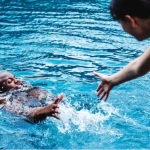



A backyard pool, an apartment complex pool, or a hotel pool is supposed to be a place for relaxation. When a drowning or near-drowning happens, families are left with grief or a long recovery, and often a difficult question: could this have been prevented, and is the pool owner responsible?
California law does allow pool owners to be held liable in many drowning and near-drowning cases, but not automatically. A Bakersfield personal injury lawyer can review what happened and explain whether your family has a claim.
Understanding Premises Liability for Pools
Pool drowning cases generally fall under premises liability law. In California, property owners, including homeowners, landlords, apartment complexes, hotels, and public facilities, have a duty to keep their property reasonably safe for people who are lawfully there. For a pool, that duty can include:
- Maintaining required safety barriers, such as fences and self-latching gates
- Keeping pool equipment, drains, and covers in safe working condition
- Providing appropriate warnings about depth, diving hazards, or unsafe conditions
- Supervising the pool appropriately, in settings like hotels, apartment complexes, or public pools where supervision is expected
- Complying with applicable building and safety codes for pool construction and barriers
A drowning or near-drowning, by itself, does not automatically mean the owner is liable. The question is whether the owner failed to meet this duty of reasonable care, and whether that failure caused or contributed to the incident.
California's Pool Safety Laws
California has specific laws aimed at preventing accidental drownings, particularly involving children. Key requirements for residential pools generally include:
- Enclosures and barriers. Pools built or remodeled after certain dates are typically required to have compliant fencing, self-closing and self-latching gates, or other approved safety features that separate the pool from the rest of the property.
- Multiple layers of protection. State law has moved toward requiring more than one safety feature, such as a fence combined with an alarm, a pool cover, or exit alarms on doors leading to the pool area.
- Anti-entrapment drain covers. Pools must generally use drain covers and systems designed to prevent suction entrapment, a serious and sometimes fatal hazard.
Requirements can vary based on when a pool was built or remodeled, and local building codes may add further obligations. Whether a specific pool complied with the law in effect at the time is a key question in many cases, and it often requires reviewing permits, inspection records, and construction history.
Common Causes of Pool Drownings and Near-Drownings
- Lack of proper fencing or a broken gate latch
- Missing or inadequate pool alarms
- Unsupervised swimming, especially involving young children
- Diving into water that is too shallow
- Drain or suction entrapment from a damaged or non-compliant drain cover
- Slippery pool decks leading to a fall into the water
- Inadequate lifeguard supervision at a hotel, apartment, or public pool
- Alcohol involvement, by a swimmer or a supervising adult
- Defective pool equipment, such as covers, ladders, or diving boards
- Failure to warn of known hazards, such as strong currents in a wave pool or unclear depth markings
Who Can Be Held Responsible?
Depending on where the drowning occurred, potentially responsible parties include:
- A homeowner, for an unsafe residential pool
- A landlord or property management company, for a pool at an apartment or condo complex
- A hotel, resort, or vacation rental owner
- A homeowners association (HOA), for a shared community pool
- A public entity, such as a city or school district, for a public pool
- A pool construction, maintenance, or inspection company that failed to meet safety standards
- A manufacturer, if defective equipment, such as a drain cover or pool alarm, contributed
- A supervising adult or lifeguard service, in some circumstances, separate from the property owner
More than one party may share responsibility. For example, an HOA might be responsible for shared pool maintenance while a management company handles day-to-day supervision.
Drownings Involving Children
Children are especially vulnerable to drowning, and the law reflects that. California recognizes concepts like the attractive nuisance doctrine, which can apply when a property has a dangerous condition, such as an unfenced pool, that is likely to attract children who may not understand or appreciate the danger. Under this doctrine, a property owner may owe a duty of care to children even if the property was not open to the public and even if the child was technically trespassing, depending on the specific facts.
This doctrine does not automatically make every pool owner liable for every child's drowning, but it recognizes that children require special protection from certain hazards, and that owners may need to take reasonable steps, like fencing and barriers, to prevent foreseeable harm to young children.
Government and Public Pool Cases
If a drowning happens at a public pool, such as one operated by a city or school district, special rules apply. Claims against government entities generally require a written claim to be filed within a much shorter window than an ordinary injury claim, often six months from the incident. Missing this deadline can permanently bar the claim, so it is important to act quickly if a public entity may be involved.
Comparative Negligence in Drowning Cases
California follows pure comparative negligence. If a court finds that the person who drowned, or a supervising parent, shared some responsibility, compensation may be reduced by that percentage, but it is not automatically eliminated. For example, if a family is found 20% responsible for a $500,000 loss, they may still recover $400,000.
Pool owners and their insurers often argue that inadequate parental supervision, rather than any property defect, caused the incident. Careful investigation into the actual condition of the pool and its safety features can help counter these arguments when a hazard genuinely contributed.
Evidence in Pool Drowning Cases
Because these cases often hinge on the physical condition of the property, evidence should be gathered quickly, before repairs are made or memories fade:
- Photos and video of the pool, fencing, gates, alarms, and drains
- Maintenance, inspection, and repair records
- Permits and construction records, showing what safety features were required when the pool was built or last modified
- Witness statements from anyone present
- 911 recordings and first responder reports
- Medical and autopsy records
- Any prior complaints about the pool's safety
- HOA or property management communications regarding pool maintenance and safety
An attorney can send a preservation letter urging the property owner not to alter the pool, fencing, or drain system before it can be inspected.
Compensation in Pool Drowning Cases
For a near-drowning survivor, damages may include:
- Emergency and ongoing medical care, including treatment for brain injury from oxygen deprivation
- Long-term rehabilitation and care costs
- Lost earning capacity
- Pain, suffering, and loss of enjoyment of life
For a fatal drowning, surviving family members may be able to bring a wrongful death claim, which can include funeral and burial costs, loss of financial support, and loss of companionship and guidance. California generally allows a surviving spouse, domestic partner, or children to bring this type of claim, and other relatives may qualify depending on the family's circumstances.
Deadlines to Keep in Mind
- Most personal injury and premises liability lawsuits: generally two years from the date of the incident
- Wrongful death claims: generally two years from the date of death
- Claims against government entities: generally six months for the initial written claim
- Cases involving minors: deadlines may be extended in some circumstances, but the rules are technical
Do not assume you have more time than you do. Physical evidence at a pool, such as a broken latch or a non-compliant drain cover, can be repaired or replaced quickly after an incident, sometimes before a family even realizes a claim may exist.
What to Do After a Pool Drowning or Near-Drowning
- Get emergency medical care immediately. For a near-drowning, even a person who seems to recover can develop delayed complications, so follow all medical guidance.
- Report the incident to the property owner, manager, or relevant authority, and ensure a report is created.
- Photograph the pool area as soon as possible, including fencing, gates, alarms, and drains, before anything is changed.
- Get witness information from anyone who was present.
- Avoid giving a recorded statement to an insurance company before speaking with an attorney.
- Keep all medical records and bills.
- Contact an attorney promptly, so evidence can be preserved before repairs or changes are made.
How an Attorney Can Help
An experienced premises liability attorney can:
- Investigate whether the pool complied with applicable safety codes at the relevant time
- Preserve physical evidence before it can be altered
- Identify every party who may share responsibility
- Work with safety, engineering, and medical experts
- Calculate the full value of medical costs, long-term care, and other losses
- Handle communication and negotiation with insurance companies
- File suit and pursue the case through trial if a fair settlement isn't offered
Many personal injury firms work on a contingency fee basis, meaning you typically pay no attorney fees unless you recover compensation. Confirm the terms during your consultation.
Get Answers After a Pool Drowning or Near-Drowning
No family should have to guess whether a preventable tragedy could have been avoided. If you or a loved one was affected by a drowning or near-drowning in a pool that may not have met safety requirements, contact a Bakersfield personal injury lawyer to discuss what happened and learn what legal options may be available.