
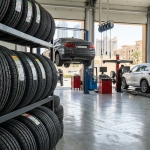



Buying replacement tyres is an important decision for every vehicle owner. Tyres affect braking, steering, comfort, and the vehicle's contact with the road. For drivers seeking a habilead tyre supplier dubai, knowing how to evaluate tyre specifications, supplier services, and product availability can make the buying process easier and more practical.
Habilead tyres are listed in various sizes and product categories, including options for passenger cars, SUVs, and certain commercial vehicles. The suitable choice depends on the vehicle's requirements, the driver's regular routes, and the conditions in which the tyres will be used. A careful selection process helps buyers avoid incorrect sizes and unsuitable specifications.
Understanding the Habilead Tyre Range
Before contacting a supplier, it helps to understand the general types of tyres available and their intended applications. Product names and specifications vary by model, so buyers should always check the details of the particular tyre they plan to purchase.
Tyres for Everyday Driving
Passenger-car tyres are commonly used for commuting, shopping trips, school runs, and regular journeys around the city. Important considerations include the correct size, load capacity, speed rating, handling characteristics, and ride comfort.
Drivers should select a model compatible with their vehicle rather than assuming that any passenger tyre will be suitable. The vehicle manufacturer's specifications provide the starting point for this decision.
Tyres for SUVs and Larger Vehicles
SUVs may require wider tyres, larger wheel diameters, or higher load ratings than smaller cars. Some vehicles also have different approved tyre sizes for the front and rear axles.
Before purchasing, confirm the exact model, wheel size, and required load index. A qualified supplier can help verify the information, but the final selection must comply with the vehicle manufacturer's recommendations.
Tyres for Commercial Use
Light commercial vehicles may need tyres designed to support their operating loads and daily mileage. The relevant specifications depend on the vehicle and its intended use.
Businesses should check the load index, tyre dimensions, and manufacturer's guidance before purchasing. Tyres should never be used beyond their rated capacity.
Why Drivers Consider Habilead Tyres
When choosing a tyre brand, buyers often consider price, available sizes, intended use, and the specifications of individual models. These factors should be evaluated together instead of relying on a single feature.
Matching the Budget to the Requirement
A tyre purchase should fit the driver's budget while meeting the vehicle's technical requirements. The lowest-priced option is not automatically the most appropriate choice.
Compare products of the same size and specification. Also check whether the quotation includes fitting, wheel balancing, valves, and other services.
Selecting a Suitable Model
Different tyre models can have different tread patterns, constructions, and intended applications. A model designed for everyday passenger-car use may not be the correct choice for a commercial vehicle or a particular SUV.
Review the manufacturer's information and the supplier's product details. If any specification is unclear, request confirmation before ordering.
Considering the Driving Environment
Dubai drivers may experience high temperatures, heavy traffic, frequent stops, and long highway journeys. These conditions make tyre pressure, tread condition, and correct load ratings particularly important.
No tyre eliminates the need for proper maintenance. Drivers should inspect their tyres regularly and follow the recommended pressure settings for their vehicles.
How to Compare Habilead Tyre Suppliers in Dubai
Choosing a supplier involves checking more than the product listing. Buyers should consider availability, pricing transparency, fitting arrangements, and after-sales support.
Confirm Product Availability
Start by confirming that the supplier has the required tyre size and model. Online listings may show a broad range, but stock can change.
Ask whether the product is available for immediate installation or requires ordering. If you need four tyres, confirm that the same suitable model and specification are available for the full set.
Request a Complete Quotation
A clear quotation should identify the tyre brand, model, size, and price. It should also explain whether installation and balancing are included.
Additional costs can include delivery, replacement valves, disposal of old tyres, and other workshop services. Understanding these charges makes it easier to assess the actual purchase cost.
Check Manufacturing Information
Ask about the manufacturing date and inspect the tyre's four-digit date code when appropriate. This code indicates the production week and year.
The age of a tyre should be considered alongside its storage conditions, condition, and manufacturer guidance. A tyre that appears unused may still require careful assessment if it has been stored for an extended period.
Review Warranty Terms
Warranty coverage can differ according to the supplier, product, and applicable conditions. Request written information about the warranty period, exclusions, and the process for making a claim.
Do not assume that all tyre-related problems are covered. Ask the supplier to explain the terms before completing the purchase.
Questions to Ask Before Purchasing
A short conversation with the supplier can help clarify important details.
Is the Tyre Suitable for My Vehicle?
Provide the vehicle's make, model, year, and current tyre size. Ask the supplier to confirm that the proposed replacement matches the manufacturer's specifications.
If your vehicle uses different tyre sizes on the front and rear axles, mention this before ordering.
Is Installation Included?
Some quotations include fitting, while others charge for installation separately. Confirm whether wheel balancing and valve replacement are also included.
If your vehicle has specialised wheels or tyre pressure monitoring sensors, ask whether the workshop can handle them correctly.
Can the Tyres Be Fitted at My Location?
Depending on the supplier, workshop appointments or mobile tyre fitting may be available in certain areas. Ask about the service area, appointment timing, additional charges, and equipment used.
Confirm whether the mobile service includes all the work your vehicle requires.
What Happens if a Problem Occurs?
Ask who to contact if you notice a vibration, air loss, or another problem after installation. A supplier should be able to explain its after-sales process and any relevant warranty procedures.
The Importance of Professional Tyre Installation
Correct installation is essential for getting the intended performance from a replacement tyre. Even an appropriate tyre can cause problems if it is fitted incorrectly.
Correct Mounting
The technician should confirm the tyre size, inspect the wheel, and install the tyre using suitable equipment. Directional tyres must be mounted according to the indicated rotation direction.
The wheel and tyre should also be checked for visible damage before installation.
Wheel Balancing
Wheel balancing addresses uneven weight distribution in the wheel and tyre assembly. If the assembly is not balanced correctly, the driver may experience vibration, particularly at certain speeds.
Balancing is generally recommended whenever replacement tyres are installed.
Correct Inflation
After installation, tyres should be inflated according to the vehicle manufacturer's recommendations. The appropriate pressure may vary depending on the vehicle's load and operating conditions.
Drivers should check the vehicle information label or owner's manual rather than using the maximum pressure printed on the tyre sidewall as the normal target.
Final Safety Checks
Before leaving the workshop, ensure that the wheels are secured correctly and that the tyres have been inspected. Ask the technician to explain any concerns identified during the fitting process.
If warning lights, unusual vibration, or handling problems occur after installation, arrange a prompt inspection.
Maintaining Habilead Tyres in Dubai
Routine maintenance can help drivers identify tyre problems early and maintain appropriate operating conditions.
Monitor Tyre Pressure
Check tyre pressure when the tyres are cold, following the vehicle manufacturer's recommendations. Underinflation can contribute to excessive heat and uneven wear, while incorrect overinflation may affect comfort and road contact.
Pressure should be checked regularly and before long journeys.
Examine Tread Wear
Inspect the tread for uneven wear, embedded objects, and signs of damage. Follow the applicable UAE legal requirements and the manufacturer's recommendations for tread depth.
If the tread is excessively worn or a tyre has structural damage, seek professional advice about replacement.
Check for Sidewall Damage
Cuts, cracks, and bulges can indicate damage that requires attention. A tyre with a bulge may have internal structural damage and should not continue to be used without professional assessment.
Avoid attempting to repair serious sidewall damage yourself.
Pay Attention to Changes in Driving
Vibration, steering changes, unusual noise, or persistent pressure loss can indicate a problem with the tyre, wheel, alignment, or suspension.
Arrange an inspection when these symptoms appear. Addressing the underlying issue may prevent further damage to the tyres or other vehicle components.
Online Purchasing or Visiting a Tyre Workshop
Both online purchasing and visiting a physical workshop can be useful, depending on your needs.
Online listings make it convenient to check sizes, model names, and prices before contacting a supplier. However, the buyer must enter the correct vehicle information and verify the selected specifications.
A workshop visit allows the technician to inspect the existing tyres and discuss fitting requirements. This can be especially helpful when the current tyre size is unclear or the vehicle has unusual wheel specifications.
Whichever method you choose, confirm the exact product and complete service cost before paying. Do not assume that a displayed price includes every installation service.
Conclusion
Selecting the right tyre supplier requires attention to product availability, technical specifications, transparent pricing, installation quality, and warranty conditions. Dubai drivers should also consider the effect of hot weather, highway travel, and regular urban driving on tyre maintenance.
When searching for a habilead tyre supplier dubai, begin by confirming your vehicle's approved tyre size and required ratings. Then request a complete quotation, verify the manufacturing information, and ask about fitting and after-sales support. These steps help you make a more informed decision and maintain your tyres responsibly.
Frequently Asked Questions
What information do I need to buy Habilead tyres?
Have your vehicle's make, model, year, and approved tyre size ready. You should also confirm the required load index and speed rating.
Can I purchase Habilead tyres online in Dubai?
Some UAE retailers list Habilead tyres online. Check current stock, product specifications, delivery arrangements, and fitting options before placing an order.
Does every Habilead tyre fit every vehicle?
No. Tyres must match the vehicle's approved dimensions, load requirements, and speed rating. Always confirm compatibility before purchasing.
Should I replace all four tyres at once?
Replacing all four may be appropriate when all tyres are worn or when the vehicle manufacturer recommends it. If replacing fewer tyres, follow the manufacturer's guidance regarding matching and axle placement.
How often should I inspect my tyres?
Check pressure regularly and inspect the tread and sidewalls frequently. Perform additional checks before long journeys and whenever you notice vibration, visible damage, or pressure loss.