
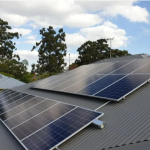

Solar electricity Perth is becoming an increasingly popular choice for homeowners and businesses looking to reduce electricity bills, improve energy efficiency, and embrace renewable power. With abundant sunshine throughout the year, Perth offers excellent conditions for generating clean electricity using rooftop solar panels. By choosing a suitable solar system, property owners can make better use of natural energy while reducing their reliance on electricity from the grid.
Whether you own a family home, manage a commercial property, or are planning to upgrade an existing energy system, investing in solar power can provide long-term benefits. Understanding solar technology, installation costs, government rebates, battery storage, and system maintenance will help you make an informed decision.
Why Solar Energy Is a Smart Choice in Perth
Western Australia experiences many sunny days, making solar energy a practical solution for residential and commercial properties. Solar panels capture sunlight and convert it into usable electricity, helping households power everyday appliances such as refrigerators, air conditioners, washing machines, computers, and lighting systems.
One of the biggest advantages of solar electricity Perth is the opportunity to reduce electricity expenses. Instead of purchasing all your power from an electricity retailer, you can generate a portion of your daily energy requirements directly from your rooftop. The amount you save depends on your system size, household consumption, installation quality, and the timing of your electricity usage.
Solar energy can also help reduce your property's environmental impact. Generating electricity from sunlight reduces dependence on fossil-fuel-based power generation and supports Australia's transition towards cleaner energy sources. For homeowners who want to improve energy efficiency without compromising everyday comfort, solar power is a worthwhile option to consider.
How a Solar Power System Works
A typical solar power system includes solar panels, an inverter, mounting equipment, electrical protection components, and a connection to your property's electrical system. Each component plays an important role in converting sunlight into electricity that can be used safely and efficiently.
Solar panels contain photovoltaic cells that generate direct current (DC) electricity when exposed to sunlight. The inverter converts this electricity into alternating current (AC), which is suitable for most household appliances. Depending on your system configuration, excess electricity may be exported to the grid, subject to your connection arrangements and applicable retailer terms.
Homeowners can also install a solar battery to store some of the electricity generated during the day. Stored energy can then be used during the evening or other periods when solar production is low. A battery may be particularly useful for households with higher evening consumption, although the financial benefits depend on battery costs, usage patterns, and available tariffs.
When planning solar electricity Perth solutions, it is important to choose equipment that matches your property's roof space, electricity consumption, and future energy needs. An experienced installer can assess these factors and recommend a suitable system configuration.
Choosing the Right Solar Panels and Inverter
Selecting quality components is essential for achieving reliable solar performance. Solar panels differ in efficiency, warranty coverage, temperature performance, and physical dimensions. High-efficiency panels may be useful when roof space is limited, while other panel options may provide better value depending on the installation requirements.
Well-known solar panel brands include LONGi, JinkoSolar, Trina Solar, Canadian Solar, and REC. Inverter manufacturers such as Fronius, Sungrow, GoodWe, and SMA also offer products for different residential and commercial applications. These brands provide a starting point for comparison, but the best choice depends on the specific model, product warranty, installer support, and compatibility with your system.
The inverter deserves particular attention because it manages the conversion of electricity produced by the panels. Some systems use string inverters, while others incorporate microinverters or power optimisers to address particular roof layouts or shading conditions.
Before making a purchase, compare product specifications, warranty conditions, expected system performance, and after-sales service. A reputable solar provider should explain the advantages and limitations of each option rather than recommending equipment based solely on its advertised capacity.
Understanding Solar Installation Costs and Government Rebates
The cost of installing solar depends on several factors, including system capacity, panel quality, inverter selection, roof complexity, electrical work, and whether battery storage is included. Larger systems generally require a higher initial investment, but they may provide greater value for properties with substantial daytime electricity consumption.
Australian households may qualify for financial assistance through eligible small-scale renewable energy incentives, commonly associated with Small-scale Technology Certificates (STCs). These incentives can reduce the upfront cost of an eligible solar installation. Eligibility, certificate values, system requirements, and the applicable rules can change, so it is important to confirm the current arrangements before signing a contract.
Western Australian households should also check whether any state-based programmes, retailer offers, or battery incentives are available for their circumstances. Government support may have specific eligibility requirements, approved equipment lists, installation conditions, and application deadlines.
When comparing quotes for solar electricity Perth installations, look beyond the initial price. Review the total system capacity, included components, installation standards, warranty coverage, estimated electricity generation, and any ongoing costs. A low-cost system may not provide the best long-term value if it uses unsuitable equipment or lacks dependable installation support.
Solar Batteries, EV Charging, and Future Energy Needs
Modern solar installations can support more than basic household electricity consumption. Battery storage, electric vehicle (EV) charging, and smart energy management systems allow property owners to make better use of the electricity their panels generate.
A solar battery stores excess daytime production for later use. This can reduce the amount of electricity purchased from the grid during evening hours, depending on the battery's capacity and the household's consumption. However, battery installation is not essential for every property. Homeowners should compare the additional investment with expected savings and consider their existing electricity tariff before deciding.
EV owners may benefit from charging their vehicles during periods of strong solar production. Using solar-generated electricity for vehicle charging can reduce reliance on grid electricity and improve the value obtained from a rooftop system. Smart chargers can help coordinate charging with available solar generation, although the results depend on the vehicle, charger, and household energy requirements.
If you expect to purchase an EV or install a battery in the future, discuss these plans with your installer before selecting an inverter. Some systems are easier to expand than others, and choosing compatible equipment at the beginning can simplify future upgrades.
Solar Solutions for Homes and Businesses Across Perth
Solar energy can benefit a wide range of properties, from suburban homes to offices, warehouses, retail premises, and small businesses. Residential installations typically focus on reducing household bills, while commercial systems may be designed around daytime operating hours and higher electricity demand.
A local installer should evaluate roof orientation, available space, shading from trees or neighbouring buildings, and the property's existing electrical infrastructure. These factors influence how much electricity a system can generate and how effectively that power can be used.
Solar service providers may assist property owners throughout Ashfield, Balcatta, Bayswater, Belmont, Bentley, Cannington, Carlisle, Churchlands, Cloverdale, Dalkeith, Dianella, East Perth, Embleton, Floreat, Glendalough, Joondanna, Kewdale, Nedlands, Nollamara, Osborne Park, Queens Park, Redcliffe, Shenton Park, St James, Subiaco, Tuart Hill, Victoria Park, and West Perth.
Although these neighbourhoods share Perth's generally favourable solar conditions, each property has different installation requirements. Roof size, surrounding shade, household electricity use, and local network connection requirements should all be assessed before the system is designed.
For businesses, solar panels can help offset electricity used by lighting, refrigeration, computers, machinery, and air conditioning. Businesses that operate mainly during daylight hours may be particularly well positioned to consume solar electricity as it is generated, reducing the need to export surplus power at potentially lower rates.
Maintaining Your Solar System for Long-Term Performance
Solar panels are designed to operate for many years, but routine monitoring and appropriate maintenance help preserve system performance. Dust, bird droppings, leaves, and other debris can affect energy generation, particularly when they accumulate on panel surfaces.
Check your inverter monitoring application or electricity generation records periodically to identify unusual drops in production. Seasonal changes in sunlight are normal, but an unexpected or sustained decline may indicate shading, a fault, or an equipment issue.
Professional inspections can help identify damaged wiring, loose connections, inverter warnings, and other electrical problems. Avoid climbing onto the roof or attempting electrical repairs yourself. Use a qualified professional for work that requires specialised equipment or electrical expertise.
Keeping nearby trees trimmed where practical can also help reduce shading. If you notice damaged panels, repeated inverter errors, or an unexplained increase in electricity bills, arrange an assessment with your solar provider.
Regular attention to system performance helps property owners protect their investment and get more value from solar electricity Perth installations over their operating life.
How to Select a Reliable Solar Installer
Choosing the right installer is just as important as choosing quality equipment. Look for a provider that offers clear quotations, suitable product warranties, transparent installation details, and support after the system has been commissioned.
In Australia, verify relevant electrical licensing and the installer's accreditation for the work being performed. Where applicable, check whether the installer and proposed system meet the requirements associated with government incentives. Ask for details about the equipment manufacturer, expected generation, system monitoring, and the process for handling warranty claims.
It is also helpful to compare multiple quotations rather than accepting the first offer. Make sure each quote specifies the system capacity, panel and inverter models, installation inclusions, applicable rebates, and any exclusions or additional charges.
Be cautious of sales claims that promise guaranteed bill elimination or unrealistic financial returns. Solar savings depend on actual electricity consumption, system production, export rates, tariff structures, and changes in energy prices. A trustworthy provider will explain these variables and present realistic expectations.
Frequently Asked Questions
Is solar power worthwhile in Perth?
Solar power can be worthwhile in Perth because the region receives substantial sunshine throughout the year. The financial return depends on installation costs, electricity consumption, system performance, and how much generated electricity is used directly by the property.
How many solar panels does a home need?
The required number of panels depends on their individual capacity, the total system size, roof space, and household electricity demand. A professional assessment can help determine the most appropriate configuration for your property.
Can solar panels work on cloudy days?
Yes. Solar panels can generate electricity in cloudy conditions, although production is generally lower than on sunny days. The amount generated depends on cloud cover, panel characteristics, shading, and other environmental factors.
Should I install a solar battery?
A battery may be beneficial if you use significant amounts of electricity after sunset or want to increase your use of self-generated power. Compare the purchase price, usable storage capacity, expected savings, and warranty before deciding.
How long do solar panels last?
Many modern solar panels are designed to operate for 25 years or longer, although their output gradually declines over time. Actual service life depends on product quality, environmental conditions, installation standards, and maintenance.
Conclusion
Investing in solar energy is a practical way for Perth homeowners and businesses to improve energy efficiency, reduce dependence on grid electricity, and support a cleaner energy future. By understanding system components, comparing equipment, investigating eligible government rebates, and evaluating battery storage options, property owners can make informed decisions that suit their budgets and electricity needs.
A carefully designed solar installation can deliver value for many years when supported by quality equipment, professional installation, and appropriate maintenance. Whether you are planning a new rooftop system or upgrading an existing setup, exploring solar electricity Perth options with a reputable local installer is a useful first step towards more sustainable energy use.
Location:- Perth, Western Australia
https://cleanenergycouncil.org.au/for-consumers
https://www.wa.gov.au/organisation/energy-policy-wa/energy-buyback-schemes
https://www.energy.gov.au/solar/financial-benefits-solar/government-rebates-and-loans-solar