

Introduction
Electrical installations become more complicated as buildings and industrial facilities add machinery, control systems, and power equipment. Without a proper cable routing plan, wires can become difficult to identify, inspect, and maintain.
Ladder cable trays and raceways help solve this problem, but they serve different purposes. Understanding their construction and applications makes it easier to choose a suitable cable management system.
What Is a Ladder Cable Tray?
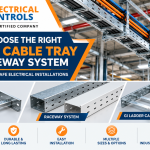
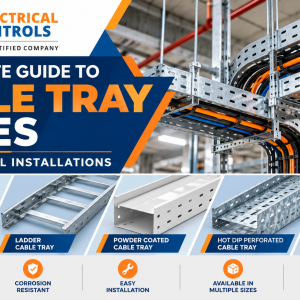
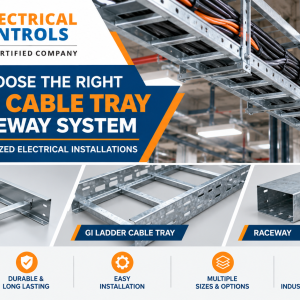
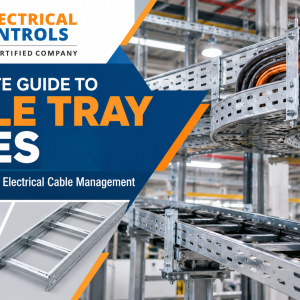
A ladder cable tray consists of two side rails joined by cross members, creating a structure similar to a ladder. It is commonly used for long cable routes and installations requiring support for substantial cable loads.
Its open design allows access to the cables and promotes ventilation around the cable arrangement. The correct tray dimensions, support spacing, and load rating must be established according to the project requirements.
Benefits of a GI Ladder Cable Tray
A GI ladder cable tray is generally manufactured from galvanized steel. The zinc coating helps protect the steel from corrosion under suitable operating conditions.
These trays are commonly considered for:
- Industrial manufacturing facilities.
- Power distribution installations.
- Warehouses and large commercial buildings.
- Utility and infrastructure projects.
Before installation, check the material thickness, load rating, coating quality, and compatibility with the operating environment.
Understanding Raceway Systems
A raceway is a channel or enclosure used to route and organize electrical wiring. Depending on its construction, it may provide additional physical protection for cables and help maintain a neat installation.
Raceways are often used in offices, commercial buildings, control panel installations, and other locations where a defined cable route is needed.
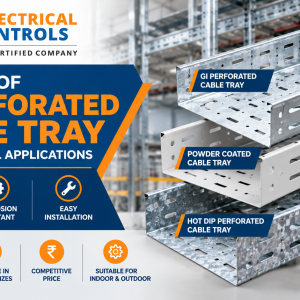
GI Raceway
A GI raceway is made from galvanized steel or galvanized iron, according to the product specification. It can be useful where a metal cable routing system is required.
The dimensions, thickness, finish, and installation method should be selected according to the cable arrangement and environmental conditions.
Powder Coated Raceway
A powder coated raceway features a finished surface that can improve appearance and provide additional protection when the coating is appropriate for the application.
It is often considered for indoor electrical installations, commercial spaces, and projects where a consistent finish is desired.
Ladder Cable Tray vs. Raceway: Which Is Better?
Neither option is automatically better for every project.
A ladder cable tray is often suitable for longer routes and cable arrangements that benefit from an open structure. A raceway may be more appropriate when the installation requires a channel or enclosure to route wiring through a specific area.
The decision should be based on cable type, physical protection requirements, accessibility, available space, and applicable electrical standards.
Planning Cable Tray Design and Sizes
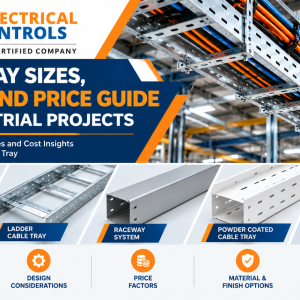
A proper cable tray design should account for cable load, route direction, bends, tees, reducers, couplers, supports, and access for maintenance.
When choosing cable tray sizes, consider the total cable quantity and weight rather than width alone. Check the manufacturer's load data and ensure the support arrangement is suitable for the selected tray.
A well-planned system can make future modifications easier and reduce cable congestion.
What Affects Cable Tray Price?
Cable tray price depends on dimensions, material, thickness, finish, and accessories. Ladder trays and raceways may also have different costs because their construction and intended applications differ.
Request a quotation based on clear technical specifications so that you can compare suitable products from different suppliers.
Frequently Asked Questions
Q1. What is the difference between a ladder cable tray and a raceway?
A ladder cable tray has an open structure with cross members, while a raceway is generally a channel or enclosure for routing electrical wiring.
Q2. Where is a GI ladder cable tray used?
It is commonly used in industrial plants, power installations, warehouses, and large commercial facilities.
Q3. What is a GI raceway?
It is a metal cable routing channel or enclosure made from galvanized steel or galvanized iron, depending on the product specification.
Q4. Can a powder coated raceway be used in offices?
Yes, it can be suitable for office installations when its dimensions, coating, and installation method meet the project's requirements.
Q5. What should be considered when planning cable tray design?
Important factors include cable load, route layout, dimensions, support spacing, accessories, environmental conditions, and maintenance access.