
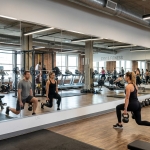

Mirrors are part of the furniture in any gym. Members use them to check their form, follow an instructor, and track progress. They also make a training floor look bigger and brighter. The question most facility owners face is which material to put on the wall. More of them are choosing an acrylic mirror over glass, and for good reason.
This guide covers what an acrylic mirror does well, where it falls short, and how to plan an installation that looks sharp and stays safe for years. If you're opening a new studio or replacing old mirrors, read this before you request a quote.
What is an acrylic mirror?
An acrylic mirror is a sheet of clear acrylic plastic with a reflective coating applied to the back. The reflective layer is then sealed so it doesn't scratch or peel. From the front, it looks much like a traditional mirror. Behind the surface, though, the material behaves very differently from glass.
Glass is rigid and heavy. It breaks into sharp pieces under a hard enough hit. An acrylic mirror is lighter, flexes slightly under pressure, and resists impact far better than glass. When it does fail, it tends to crack rather than shatter into shards. In a room full of moving weights, that difference matters.
Why gyms and studios choose acrylic mirror
Safety on a busy floor
Gyms are high-impact spaces. A dropped kettlebell, a loose medicine ball, or a slipped barbell plate can hit a wall at speed. A glass mirror can break and send fragments across the floor. An acrylic mirror is many times more impact resistant than glass, so a hit that would shatter glass often leaves acrylic intact. That lowers the risk to members and staff and cuts down on emergency closures.
Lighter weight, easier install
An acrylic mirror weighs much less than a glass mirror of the same size. Lighter panels are easier to carry, lift into place, and mount. Installers need fewer people per panel, and the wall doesn't carry as much load. For upper floors or older buildings, that lighter weight can simplify the whole project.
Better fit for humid areas
Locker rooms and changing areas deal with steam and moisture every day. An acrylic mirror resists moisture and doesn't corrode the way some traditional mirrors do at the edges. That makes it a practical choice near showers, saunas, and sinks, as long as the space has decent ventilation.
Lower cost on large walls
Fitness spaces often need mirrors that run the full length of a wall. An acrylic mirror usually costs less than glass, and the savings grow when you factor in easier handling and fewer installers. For multi-room studios or gym chains, those savings add up quickly.
The trade-offs to plan for
No material is perfect. A smart facility owner knows the limits of an acrylic mirror before buying, so there are no surprises after install.
Scratches
Acrylic is softer than glass. An acrylic mirror can pick up surface scratches from rough cleaning, gritty cloths, or equipment that rubs against it. The fix is simple: protect the lower edge where equipment sits, and train staff to clean it correctly. Some acrylic mirror sheets come with a hard coat that improves scratch resistance. Ask about it if your space sees heavy contact.
Distortion
This is the issue owners ask about most. Because an acrylic mirror is slightly flexible, it can show a wavy or funhouse effect if it's mounted on an uneven wall. The material itself reflects clearly. The distortion almost always comes from what's behind it.
To prevent it, mount the acrylic mirror on a flat, rigid surface. Many installers use a smooth backer board or a perfectly flat wall and apply adhesive evenly across the back. Gaps behind the panel let it bow, and bowing bends the reflection.
Reflection quality
A high-quality acrylic mirror gives a sharp, bright reflection that works well for form checks and group classes. It may not match the crystal-clear look of premium glass in every detail. For a training floor, that small difference rarely matters. Members care more about seeing their posture than spotting every fine detail.
How to choose the right acrylic mirror for your facility
Before you order an acrylic mirror, go over these points with your supplier:
- Thickness: Thicker sheets flex less and resist distortion better. For large wall mirrors in a gym, 1/4 inch is a common choice, while 1/8 inch can work on small, well-supported areas.
- Panel size: Larger panels mean fewer seams, but they're harder to handle. Plan seam placement so it doesn't cut through a key sightline.
- Height off the floor: Start the acrylic mirror a little above the floor to keep it away from rolling plates and kicked equipment. A protective rail or baseboard below it adds another layer of defense.
- Coverage: Mirrors should reach high enough that taller members can see their full body during standing lifts. Many facilities run mirrors to six or seven feet tall.
- Mounting method: Choose full-coverage adhesive on a flat substrate for the clearest reflection. Mechanical fasteners or standoffs work for smaller pieces.
- Finish: Clear silver suits most training floors, but tinted or patterned acrylic mirror finishes can add style to lobbies and boutique studios.
Where to place mirrors in a fitness space
Free weight and strength areas
This is where mirrors earn their keep. Members use them to check squat depth, back position, and bar path. Place an acrylic mirror along the main wall facing the lifting zone, with enough distance that people can see themselves without stepping too close to equipment.
Group fitness and dance studios
Studios for yoga, cycling, dance, and barre need wide mirror walls so the whole class can follow the instructor. A continuous run of acrylic mirror panels gives everyone a clear view. Keep the seams tight and aligned so the reflection doesn't break up across the room.
Stretching and warm-up zones
A smaller acrylic mirror near stretching mats helps members check their alignment. These areas see less impact, so they're a good spot for smaller or decorative panels.
Lobbies and front desks
First impressions matter. A decorative acrylic mirror with an antique or tinted finish can make a reception area feel more upscale. It also reflects light and makes a tight entryway feel more open.
Cleaning and maintenance
A well-kept acrylic mirror can last 10 to 20 years. Most of that comes down to cleaning habits.
Start by removing dust with a soft brush or a light pass of a clean microfiber cloth. Dust is abrasive, and wiping it across the surface causes fine scratches. Then wash the acrylic mirror with mild soap and lukewarm water, and dry it with a fresh microfiber cloth.
Avoid paper towels and scrub pads on an acrylic mirror. Skip cleaners with ammonia, strong alcohol, or solvents. These can cloud the surface or cause tiny cracks over time. If your gym uses a disinfectant, confirm with the product label or your supplier that it's safe for acrylic before spraying it on the mirror.
Write these rules down and post them in the cleaning closet. Gyms often have rotating cleaning staff, and one wrong product can damage an acrylic mirror in a single shift.
Plan for repairs and replacement
Even a well-kept acrylic mirror can get damaged. Keep a record of the thickness, finish, and panel sizes you installed so you can order a matching replacement quickly. Some owners order one spare acrylic mirror panel with the original job and store it flat in a dry place. When a section takes a hit, swapping one panel is faster and cheaper than waiting on a custom order.
Safety and code considerations
Check local building and safety codes before you install. Some rules cover how mirrors are mounted, how close they can sit to exits, and what materials can be used in certain areas. An acrylic mirror's light weight and impact resistance help in many of these cases, but your contractor should confirm the details for your location.
Also think about liability. A broken glass mirror can injure a member and shut down an area for cleanup. An acrylic mirror lowers that risk, which some facility owners also discuss with their insurance providers.
Design ideas beyond the training floor
An acrylic mirror can do more than show reflections. Custom shapes can frame a logo wall. Antique or patterned finishes can add character to a juice bar or retail corner. Tinted mirrored panels can give a boutique studio a signature look that sets it apart from big-box gyms. Because acrylic can be precision-cut, you can get shapes and sizes that would be costly or risky in glass.
Get the right acrylic mirror for your gym with Tree Towns Digital Decor
The right acrylic mirror makes your gym safer and easier to maintain. It cuts the risk of broken glass, lightens the install, and gives you more design options for less money. The keys are choosing the right thickness, mounting it on a flat surface, and cleaning it correctly. Tree Towns Digital Decor produces precision-cut acrylic mirror panels, including custom and antique digital patina finishes, for commercial spaces such as fitness centers. The team can help you pick the right thickness and finish for your space and plan an installation that holds up. Contact Tree Towns Digital Decor to get started on your next fitness space project.