
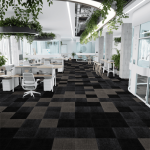

Modern buildings require flooring solutions that combine durability, comfort, attractive design, and convenient maintenance. From corporate offices and hotels to educational institutions and residential apartments, property owners are increasingly looking for materials that meet both functional and aesthetic requirements. Carpet tile has emerged as a popular flooring choice because it offers modular installation, versatile designs, and practical maintenance advantages. Its flexibility makes it suitable for a wide range of contemporary interiors.
Understanding why carpet tile is gaining attention can help architects, interior designers, business owners, and homeowners make informed flooring decisions.
What Is Carpet Tile?
Carpet tile is a modular flooring material manufactured in individual square or rectangular sections. Unlike traditional broadloom carpet, which comes in large rolls, carpet tile is installed piece by piece to create a carpeted surface.
These tiles are available in different colors, patterns, textures, and fiber constructions. They can be arranged in uniform layouts or combined creatively to complement a building's interior design.
One of the defining features of carpet tile is that individual sections can often be removed and replaced when they become stained or damaged. This makes it a practical option for buildings where regular foot traffic and ongoing maintenance are important considerations.
1. Flexible Designs for Modern Interiors
Contemporary buildings often feature open-plan layouts, minimalist interiors, and multifunctional spaces. Carpet tile supports these design preferences by offering a wide selection of colors, textures, and patterns.
Interior designers can combine different shades to create distinctive flooring arrangements or visually separate areas without installing physical partitions. For example, an office may use one carpet tile design for workstations and another for collaborative meeting spaces.
Neutral colors can provide a professional appearance, while geometric patterns and contrasting shades can introduce visual interest. This design flexibility allows carpet tile to complement a variety of architectural styles.
2. Easy Maintenance and Convenient Repairs
Maintenance is a major consideration in commercial buildings, where flooring experiences continuous use. Dirt, spills, and furniture movement can gradually affect the appearance of carpeted surfaces.
Carpet tile offers an advantage because damaged or heavily stained sections can often be replaced individually. Instead of removing the entire carpet, maintenance teams can focus on the affected areas, potentially reducing repair time and disruption.
Routine care is also relatively straightforward. Regular vacuuming helps remove dust and loose dirt, while prompt spot cleaning can prevent many stains from becoming permanent. Following the manufacturer's cleaning recommendations helps maintain the flooring's appearance and performance.
3. Improved Acoustic Comfort
Noise management is important in modern offices, hotels, libraries, and educational buildings. Footsteps, moving chairs, and conversations can create distractions, especially in open-plan environments.
Carpet tile can absorb some sound and reduce impact noise from foot traffic compared with many hard flooring materials. This can contribute to a more comfortable environment for employees, visitors, and building occupants.
Although carpet tile cannot completely soundproof a room, it can form part of a broader acoustic design strategy. Combining it with appropriate ceiling treatments, wall panels, and furnishings can help improve the overall sound environment.
4. Durability for High-Traffic Areas
Modern buildings need flooring that can withstand daily activity without losing its appearance too quickly. Commercial-grade carpet tile is available in constructions designed for busy environments, including reception areas, corridors, meeting rooms, and shared workspaces.
The durability of a product depends on its fiber type, pile construction, backing material, installation quality, and maintenance routine. Selecting carpet tile that matches the expected traffic level is essential for achieving reliable performance.
For example, a busy corporate reception area may require a more wear-resistant product than a lightly used private office. Choosing the correct specification can help reduce premature wear and unnecessary replacement costs.
5. Cost-Effective Long-Term Flooring
The initial purchase price is only one part of the total flooring investment. Installation, cleaning, repairs, and future replacement also influence the overall cost.
Because carpet tile is modular, individual sections can often be replaced without purchasing new flooring for the entire room. This can be particularly beneficial for large commercial properties that need to maintain their interiors over time.
However, the overall value depends on product quality, installation requirements, and the availability of matching replacement tiles. Comparing the total project cost rather than focusing only on the price per tile can help property owners make better decisions.
6. Practical for Different Types of Buildings
Another reason carpet tile is becoming popular is its suitability for many indoor environments. Offices can benefit from its acoustic qualities and professional appearance, while hotels may use it to create comfortable guest areas and attractive meeting spaces.
Educational institutions can use appropriate carpet tile in selected classrooms, libraries, and administrative areas. Homeowners may also consider it for bedrooms, study rooms, and home offices where a softer floor is desirable.
Nevertheless, carpet tile is not ideal for every location. Areas exposed to frequent moisture, such as bathrooms and some kitchens, may require alternative flooring materials. The product should always be selected according to the room's conditions and intended use.
7. Growing Interest in Carpet Tile in Karachi
As commercial and residential interiors evolve, flooring selection has become an important part of building design and renovation. People searching for carpet tile in Karachi may be considering flooring for offices, corporate buildings, educational facilities, hotels, or modern homes.
When selecting carpet tile in Karachi, buyers should consider local weather conditions, indoor humidity, ventilation, expected foot traffic, and cleaning requirements. These factors can influence which materials are most suitable for a particular project.
It is advisable to compare samples, review manufacturer specifications, and consult an experienced flooring supplier before making a purchase. Checking installation methods, maintenance instructions, and warranty coverage can also help avoid problems later.
Conclusion
Carpet tile is becoming popular in modern buildings because it combines design flexibility, convenient repairs, acoustic benefits, and practical maintenance. Its modular construction makes it suitable for many commercial and residential applications, while its wide range of colors and patterns supports contemporary interior design.
For anyone considering carpet tile in Karachi, the best choice depends on the building's purpose, expected foot traffic, budget, and environmental conditions. By evaluating these factors carefully, property owners and designers can select a flooring solution that balances comfort, appearance, and long-term value.