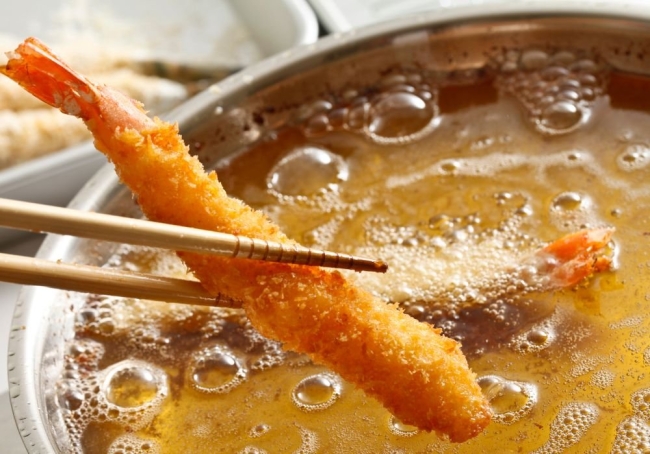
What Temperature for Deep Frying Fish? A Guide to Crispy, Golden Fried Fish
Understanding the right temperature for deep frying fish is important for achieving a crispy, golden coating while keeping the fish tender and properly cooked inside. Whether you are preparing cod, haddock, pollock, tilapia, or another type of fish, maintaining the correct oil temperature can make a noticeable difference in the final texture and flavour.
For many deep-fried fish recipes, an oil temperature around 350°F... moreWhat Temperature for Deep Frying Fish? A Guide to Crispy, Golden Fried Fish
Understanding the right temperature for deep frying fish is important for achieving a crispy, golden coating while keeping the fish tender and properly cooked inside. Whether you are preparing cod, haddock, pollock, tilapia, or another type of fish, maintaining the correct oil temperature can make a noticeable difference in the final texture and flavour.
For many deep-fried fish recipes, an oil temperature around 350°F to 375°F (175°C to 190°C) is commonly used. The exact temperature can vary depending on the type and thickness of the fish, the coating or batter, and the cooking method. A kitchen thermometer can help you monitor the oil and maintain a more consistent temperature throughout cooking.
If the oil is too cool, the fish may absorb excess oil and become greasy instead of crisp. If the oil is too hot, the outside can brown or burn before the center is fully cooked. Adding several pieces of fish at once can also lower the oil temperature, so cooking in smaller batches may help maintain consistent heat.
Before frying, make sure the fish is properly prepared and the coating is evenly applied. Carefully lower each piece into the hot oil and avoid overcrowding the fryer or pot. Cook until the coating is crisp and golden and the fish reaches a safe internal temperature appropriate for the type and thickness of fish being prepared.
Other factors can also affect frying results, including the type of cooking oil, the size of each portion, batter thickness, and whether the fish is fresh or previously frozen. Allowing excess batter to drip off before frying can help create a more even coating and reduce excessive oil absorption.
Whether you are making a quick weeknight meal or preparing fish for a larger gathering, controlling the oil temperature is one of the most important steps for consistent results. Using a thermometer, maintaining steady heat, avoiding overcrowding, and monitoring the fish while it cooks can help produce crisp, flavorful deep-fried fish.
How to Warm Up Already Cooked Lobster: Simple Methods for Tender, Flavorful Seafood
Knowing how to warm up already cooked lobster properly can help preserve its tender texture and delicate flavor. Whether you're reheating a whole lobster, lobster tails, claws, or shelled lobster meat, gentle heat is important to avoid making the meat dry or chewy.
Steaming is one of the simplest methods for reheating cooked lobster. A small amount of water is brought to a gentle simmer, while the lobster is pl... moreHow to Warm Up Already Cooked Lobster: Simple Methods for Tender, Flavorful Seafood
Knowing how to warm up already cooked lobster properly can help preserve its tender texture and delicate flavor. Whether you're reheating a whole lobster, lobster tails, claws, or shelled lobster meat, gentle heat is important to avoid making the meat dry or chewy.
Steaming is one of the simplest methods for reheating cooked lobster. A small amount of water is brought to a gentle simmer, while the lobster is placed in a steamer basket above the water. Cover the pot and warm the lobster for a few minutes, checking regularly so it does not become overheated.
The oven can be useful when warming several lobster pieces at once. Place the lobster in an oven-safe dish with a little water, broth, or melted butter, then cover loosely with foil. Warm it gently until heated through, checking periodically rather than relying only on a fixed cooking time.
For shelled lobster meat, stovetop warming with a small amount of butter or broth can work well. Use low heat and gently turn the pieces so they warm evenly. High heat should be avoided because it can cause lobster proteins to tighten and create a chewy texture.
A microwave can also be used, but extra care is needed. Place the lobster in a microwave-safe container, cover it appropriately, and heat it in short intervals at reduced power. Check between intervals and stop as soon as the lobster is comfortably warm.
Food safety is also important when reheating lobster. Proper refrigeration and handling should be considered before reheating, and seafood that has been stored improperly should not be relied upon to become safe simply through reheating.
Whether you're preparing lobster for dinner, adding it to pasta, serving it with melted butter and lemon, or enjoying it with a fresh salad, gentle reheating can help maintain its moisture, tenderness, and natural seafood flavor.
What Temperature for Deep Frying Fish? The Right Heat for Crispy, Golden Results Explained
Knowing the right temperature for deep frying fish is essential for getting a crisp, golden coating while keeping the fish tender and properly cooked inside.
For most deep-fried fish, an oil temperature of around 350°F to 375°F (175°C to 190°C) is commonly used. The exact temperature can vary depending on the type and thickness of the fish, the coating, and the cooking method.
If the oil is too cool, th... moreWhat Temperature for Deep Frying Fish? The Right Heat for Crispy, Golden Results Explained
Knowing the right temperature for deep frying fish is essential for getting a crisp, golden coating while keeping the fish tender and properly cooked inside.
For most deep-fried fish, an oil temperature of around 350°F to 375°F (175°C to 190°C) is commonly used. The exact temperature can vary depending on the type and thickness of the fish, the coating, and the cooking method.
If the oil is too cool, the fish can absorb excess oil and become greasy. If it is too hot, the coating may brown too quickly while the center needs more time to cook. Using a kitchen thermometer can help maintain a consistent temperature throughout frying.
When deep frying fish, it is also important to avoid overcrowding the fryer or pan. Adding too many pieces at once can cause the oil temperature to drop, affecting the texture and browning. Frying in smaller batches can help produce more consistent results.
The type of fish and coating can also influence cooking time. Thin fillets may cook quickly, while thicker pieces require more time. Always make sure the fish reaches a safe internal temperature and is fully cooked before serving.
Whether you're preparing battered fish, breaded fillets, or another fried seafood dish, controlling the oil temperature is one of the most important steps for achieving crispy, flavorful results.
The size of theSeafood Packaging Market Industrywas USD 16.55 billion in 2022 and is projected to reach USD 24.19 billion by 2030, with a compound annual growth rate (CAGR) of 4.86% during the fo...