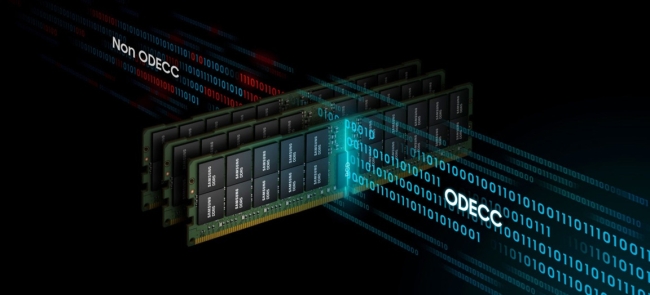
In Q1 2026, Samsung Electronics finalized DRAM contracts with price increases exceeding 100%—a dramatic escalation from the 70% projection just weeks earlier. Even Apple Inc. reportedly accepted the hike to secure LPDDR5X supply for its upcoming devices.
The driver is clear: AI infrastructure.
Hyperscalers such as NVIDIA, Microsoft, and Google are absorbing wafer capacity for HBM production, creating a structural shortage of conventional DRAM and NAND. Analysts at Gartner and IDC project AI da... moreIn Q1 2026, Samsung Electronics finalized DRAM contracts with price increases exceeding 100%—a dramatic escalation from the 70% projection just weeks earlier. Even Apple Inc. reportedly accepted the hike to secure LPDDR5X supply for its upcoming devices.
The driver is clear: AI infrastructure.
Hyperscalers such as NVIDIA, Microsoft, and Google are absorbing wafer capacity for HBM production, creating a structural shortage of conventional DRAM and NAND. Analysts at Gartner and IDC project AI data centers could consume up to 70% of high-end DRAM output in 2026.
Key impacts:
Generic DRAM and NAND contract prices have doubled.
DDR4 spot prices have surged faster than DDR5 due to production reallocation.
Budget PCs are disappearing as memory now represents up to 35% of build cost.
The secondary market has shifted from depreciation to liquidity opportunity.
The 2026 “Rampocalypse” is not cyclical—it is structural. When memory pricing doubles, hardware economics reset across the digital economy.