
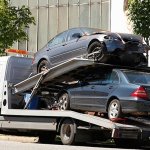

Unwanted car collection in Sydney is a practical way to remove an old, damaged or unused vehicle without arranging private transport. The process usually involves getting a vehicle assessment, agreeing on the collection details, preparing the required documents and arranging a suitable pickup time.
An unwanted car can take up valuable space on a driveway, in a garage or on private property. Some vehicles become difficult to sell because they are damaged, unregistered, non-running or simply too old. A professional collection service provides a direct option for removing these vehicles.
The process is generally simple, but knowing what happens at each stage makes the experience easier. From requesting a quote to handing over the keys, each step has a clear purpose.
What Is Unwanted Car Collection?
Unwanted car collection is a vehicle removal service designed for owners who need to have an unwanted vehicle collected from a specified location. The service can cover cars that are old, damaged, written off, unused or no longer suitable for everyday driving.
Collection services commonly handle different vehicle conditions, including:
- Old cars that are no longer economical to maintain
- Damaged vehicles after accidents
- Non-running cars that cannot be driven
- Unregistered vehicles
- Cars with mechanical problems
- Vehicles that have been sitting unused for long periods
The main advantage is that the owner does not need to organise separate transport for a vehicle that cannot be driven. Collection arrangements can be made based on the vehicle's location and condition.
Before collection, the vehicle owner generally provides basic information about the car. This can include the make, model, year, registration status, condition and location. Accurate details help the service assess the vehicle and arrange suitable removal equipment.
How Does Unwanted Car Collection Work in Sydney?
The unwanted car collection process usually follows five main steps: requesting a vehicle assessment, confirming the offer, arranging collection, preparing the car and completing the handover.
1. Provide Vehicle Details
The first step is providing information about the vehicle. Owners usually need to describe the car and explain its current condition.
Useful details include the vehicle's:
- Make and model
- Manufacturing year
- Registration status
- General condition
- Running or non-running status
- Location
Photos can also help when a service needs a clearer understanding of the vehicle before collection.
2. Receive a Vehicle Assessment
The vehicle is then assessed based on the information provided. Factors such as age, condition, demand for parts and recyclable materials can affect its value.
For owners comparing unwanted Cars Collection Sydney services, checking what information is included in the assessment helps avoid confusion later. A clear assessment explains how the vehicle is valued and what collection arrangements apply.
3. Confirm the Collection Details
Once the vehicle assessment is accepted, the owner and collection service agree on the pickup details. This includes the collection address, preferred time and vehicle access requirements.
The owner can also explain any issues that may affect removal. For example, a car parked behind another vehicle may require a different approach from a car parked in an open driveway.
4. Prepare the Vehicle
Preparing the vehicle before collection helps prevent problems during handover. Personal belongings should be removed from the cabin, boot and storage areas.
The owner should also gather documents that relate to the vehicle. These can include registration papers or other ownership records, depending on the circumstances.
Removing number plates may also be necessary when dealing with an unregistered or unwanted vehicle. Requirements can vary based on the vehicle's registration status, so owners can check the relevant NSW requirements before completing the process.
5. Vehicle Pickup and Handover
The final stage is vehicle collection. The vehicle is inspected at the agreed location, and removal arrangements are completed.
For a non-running vehicle, suitable towing or loading equipment is used. Once the vehicle has been safely loaded, it can be transported away for its next stage.
Why Do Sydney Owners Use Car Collection Services?
Sydney owners use unwanted car collection services for convenience, vehicle disposal and easier removal of cars that are difficult to sell privately.
Selling a damaged or very old car privately can involve preparing advertisements, answering enquiries, arranging inspections and organising payment. It can also be difficult to find a buyer when the vehicle does not run.
A collection service removes much of this work. The owner deals with one service for assessment and removal rather than finding separate buyers and transport providers.
Grande Cash For Cars Sydney is one local service that provides vehicle collection for owners dealing with unwanted cars. Its service is relevant to people who need a vehicle removed from a Sydney property without arranging their own transport. The company also deals with vehicles in different conditions, making it a practical option for owners whose cars are no longer suitable for regular use.
What Happens to an Unwanted Car After Collection?
An unwanted car does not necessarily become waste after collection. Usable components and recyclable materials can give an old vehicle further value.
Depending on its condition, a collected car can go through several stages.
Reusable Parts
A vehicle that has reached the end of its useful life may still contain working components. Parts such as mirrors, lights, wheels, panels and mechanical components can sometimes be removed and reused.
The condition of each component determines whether it has further use.
Metal Recycling
Vehicles contain significant amounts of metal. Steel, aluminium and other metals can enter recycling processes after suitable preparation.
Recycling these materials reduces the need to rely entirely on newly produced raw materials. It also gives useful materials from old vehicles another purpose.
Safe Vehicle Processing
Old vehicles can contain fluids and components that require proper handling. Engine oil, coolant, fuel, batteries and other materials need appropriate disposal or processing.
Professional vehicle dismantling and recycling processes separate these materials before the remaining metal and other useful components are processed.
What Documents Are Needed for Car Collection?
The documents required depend on the vehicle's registration status and the circumstances of the sale or disposal. Proof of ownership and vehicle identification information are commonly important when transferring or disposing of a vehicle.
Owners can prepare the following information before collection:
- Vehicle registration details
- Proof of ownership where applicable
- Driver licence or other identification
- Vehicle identification information
- Keys, if available
A car does not become easier to remove simply because it is no longer registered. Owners still need to follow the relevant NSW rules for disposal, registration cancellation and number plates.
Checking current NSW requirements before collection helps prevent delays and ensures the vehicle is handled correctly.
Can Non-Running Cars Be Collected?
Yes, non-running cars can commonly be collected when the service has suitable towing or loading equipment.
A non-running vehicle may have a flat battery, failed engine, damaged wheels or serious mechanical problems. These issues do not automatically prevent collection.
The vehicle's exact location matters. A car parked on a level driveway is generally easier to access than one located in a confined garage or behind another vehicle.
Owners can explain the vehicle's condition and access situation before booking collection. This allows the collection service to understand what equipment and arrangements are needed.
What About Cars Located Outside Sydney?
Vehicle collection needs can also arise outside central Sydney. Owners in surrounding areas may need to remove old vehicles from homes, workplaces or private properties.
For example, people searching for cash for old cars Wollongong may be dealing with a vehicle that has become too costly to repair or difficult to sell privately. The same basic principles apply: provide accurate vehicle information, confirm the collection location and check the required paperwork before removal.
The key factor is confirming whether the collection service covers the vehicle's specific location. Service areas differ, so checking coverage before arranging a pickup avoids unnecessary delays.
How to Choose a Suitable Car Collection Service
Choosing a car collection service involves more than comparing an advertised price. Owners also need to consider the collection process, vehicle coverage and paperwork requirements.
Look for a service that clearly explains:
- Which vehicle conditions it accepts
- Where it provides collection
- How vehicle assessments are completed
- Whether towing or removal is included
- What documents the owner needs
- How the handover process works
- What happens to vehicles after collection
Clear information makes the process easier to understand and reduces unexpected issues.
It is also useful to provide accurate information about the vehicle. Hiding major damage or access problems can create confusion when the vehicle is inspected.
How to Prepare for Collection Day
A few simple checks can make collection day easier. Remove personal items, locate the vehicle keys and prepare the relevant ownership documents before the agreed pickup time.
Check the area around the vehicle as well. Remove objects that block access and make sure the collection team can reach the car safely.
If the vehicle is parked in a tight space, provide this information in advance. Early notice gives the collection service time to plan the removal.
Owners should also keep records of any paperwork completed during the handover. This creates a clear record that the vehicle has been collected and helps with any registration-related requirements.
Final Thoughts
Unwanted car collection in Sydney provides a straightforward way to remove old, damaged, unused and non-running vehicles. The process generally involves providing vehicle details, receiving an assessment, confirming collection arrangements, preparing the necessary documents and completing the vehicle handover.
Understanding these steps helps owners prepare properly and avoid common delays. It also makes it easier to compare collection services based on clear information rather than price alone.
An old car does not need to remain unused on private property. With the right collection arrangements, it can be removed and directed towards reuse, parts recovery or recycling.