
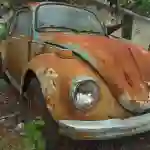

Selling a damaged car in Sydney does not always mean paying for costly repairs. The right selling option depends on the damage, vehicle age, condition, and market value. A damaged vehicle may still have useful parts or scrap value. Understanding the process helps you make a clear decision without unnecessary costs.
Assess The Damage Before Selling
The first step is to understand exactly what is wrong with the vehicle. Check the body, engine, transmission, suspension, tyres, electrical parts, and interior. Some faults are minor, while others make the vehicle unsafe or uneconomical to repair.
Take clear photos of the damaged areas before contacting a buyer. Include pictures of the exterior, interior, engine bay, tyres, and any major damage. These photos help provide a more accurate description of the vehicle.
A mechanic can also inspect the car if the damage is unclear. This can help you compare the repair cost with the vehicle's likely selling value. If repairs cost more than the car is worth, selling it in its current condition may make more sense.
Understand How Damage Affects Value
Damage has a direct effect on what a buyer may offer for a vehicle. However, the condition is only one part of the valuation. The make, model, age, kilometres, demand, and usable components also matter.
A car with engine damage may still contain valuable parts. The same applies to a vehicle with transmission faults, body damage, or suspension problems. Buyers may assess these components separately when deciding what the vehicle is worth.
The type of damage also matters. Cosmetic damage may have a smaller effect than serious structural or mechanical damage. A non-running vehicle can still have value if its parts remain useful.
Do not spend money on repairs simply to make the car easier to sell. Start by getting a realistic idea of its current condition and value. Compare that figure with the expected repair bill before making a decision.
Check Whether The Vehicle Is Written Off
A damaged car can have different rules if an insurer has declared it written off. In NSW, written-off vehicles are recorded on the Written-Off Light Vehicles Register. Most written-off light vehicles cannot return to normal road use, although limited repair and re-registration pathways exist.
A statutory write-off has stricter restrictions than a repairable write-off. A vehicle that falls into the restricted category can generally be bought or sold only for parts or scrap metal. This makes it important to check the vehicle's status before arranging a sale.
Flood and accident damage also need careful attention. Water can affect electrical systems, sensors, wiring, brakes, and other components. A vehicle that looks acceptable from the outside may have serious hidden problems.
If you are unsure about the vehicle's history, check its records through the relevant NSW services. Knowing the vehicle's status prevents confusion during the sale.
Compare Repair Costs With Selling Costs
Repairing a damaged car is not always the most practical option. The total repair bill can include parts, labour, towing, inspections, and other fees. These costs can quickly add up when several major components need attention.
Start by getting a written repair estimate from a qualified repairer. Ask what work is essential and what work is optional. Then compare the total with the car's current market value.
For example, an older vehicle with major transmission damage may need several thousand dollars in repairs. Spending that amount may not make sense if the repaired vehicle remains worth only a little more.
The same applies to severe body damage. Panel repairs, paintwork, structural repairs, and replacement parts can become expensive. A damaged car may have a better financial outcome when sold without extensive repairs.
Prepare The Right Documents
Having the correct paperwork makes the selling process easier. Keep your proof of ownership, registration details, identification, keys, and any relevant insurance documents available.
The exact paperwork depends on how the vehicle is sold. If you sell a registered vehicle in NSW, the seller generally needs to lodge a notice of disposal. This tells Transport for NSW that the vehicle has changed hands.
If you sell a vehicle to a licensed motor dealer, you may need the dealer's licence and business details for the notice. Service NSW provides specific instructions for different selling situations.
Keep copies of important documents after the sale. This includes receipts, sale records, and confirmation of the notice of disposal. These records can help if questions arise later.
Arrange Safe Removal For A Non-Running Car
A damaged vehicle does not need to be driven to a buyer. If the car cannot move safely, arrange suitable vehicle transport instead. This is particularly important after a serious accident or mechanical failure.
The removal method depends on where the car is parked and its condition. A standard tow truck may suit some vehicles, while heavily damaged cars may need specialised equipment.
Some vehicle buyers arrange collection as part of the sale. Cash For Cars Sydney, for example, states that it provides complimentary vehicle removal across Sydney and buys vehicles in various conditions. Its website also lists a Smithfield address and a licensed motor car trader status.
If you are arranging unwanted car towing Sydney, give the removal provider accurate information first. Explain whether the car starts, rolls, steers, or has damaged wheels. Mention tight access, underground parking, steep driveways, or other obstacles. Accurate details help the provider prepare the right equipment.
Remove Personal Items Before Collection
Check every part of the vehicle before it leaves your property. Look under the seats, inside the glovebox, boot, centre console, and door pockets. Personal items are easy to miss when a vehicle is collected quickly.
Also remove toll tags, parking permits, and other items linked to your accounts. Service NSW advises sellers to delete the registration number from toll accounts after disposal.
If the vehicle contains important paperwork, remove those documents as well. Take photos of the vehicle before collection, including its condition and number plates. These records provide a useful reference for your own files.
Do not leave valuables inside the vehicle. Check the boot and spare-wheel area carefully. Damaged cars often contain forgotten tools, documents, and personal belongings.
Understand What Happens After The Sale
A damaged vehicle can follow several different paths after collection. A buyer may assess usable components, recover valuable materials, or send unsuitable parts for recycling.
Reusable parts can include engines, transmissions, wheels, mirrors, lights, panels, and interior components. The exact parts depend on the vehicle's condition and the type of damage.
Metal recovery also forms part of vehicle recycling. Materials from an old vehicle can be separated and processed for further use. This reduces the amount of vehicle waste sent for disposal.
For severely damaged vehicles, the process may focus mainly on parts and recyclable materials. The vehicle's condition determines what can be recovered. Not every damaged car has the same recovery potential.
Consider A Specialist Vehicle Buyer
A specialist buyer can provide an alternative to selling a damaged vehicle privately. This option can be useful when the car does not attract normal private buyers.
A specialist buyer may assess the vehicle based on its condition, parts, age, model, and other factors. The seller can then compare the offer with the likely costs of repairing or advertising the car.
For owners researching Junk Cars collection Sydney, it is useful to ask how the valuation works. Ask whether removal costs are included and what documents are required. Also confirm the payment method and any conditions attached to the offer.
Do not rely on a single estimate without considering the vehicle's actual condition. A damaged car can have different values depending on its parts and current demand.
Check The Sale Process Before Agreeing
Before accepting an offer, make sure you understand the full transaction. Ask for the agreed price in writing and confirm how and when payment occurs.
Check whether towing or collection fees apply. Also ask what happens if the vehicle's condition differs from the description given during the initial quote.
If you sell privately, NSW Government guidance states that sellers must lodge a notice of disposal within 14 days. The notice helps remove the seller from responsibility for future tolls, fines, and other issues linked to the vehicle.
If a vehicle is written off after an accident, registration requirements can differ. Service NSW provides separate guidance for written-off vehicles and registration cancellation.
When Selling A Damaged Car Makes Sense
Selling a damaged car can make sense when repair costs are high or the vehicle no longer suits your needs. It can also be practical when the car cannot pass required inspections or return to normal road use.
Start with an honest assessment of the vehicle. Find out what is damaged, check its status, and understand its likely value. Then compare repair costs with the options available for selling or recycling it.
Take time to organise the paperwork and remove personal items. Choose a removal method that suits the vehicle's condition and location. These simple steps make the process clearer and reduce avoidable problems.
Conclusion
Selling a damaged car in Sydney starts with understanding its condition and realistic value. Repair costs, vehicle history, registration status, usable parts, and removal needs all affect the process.
Check the relevant NSW requirements before completing the sale. Keep your documents, remove personal belongings, and confirm the payment and collection arrangements. A careful approach helps you avoid unnecessary repair costs and makes the final disposal process easier.