
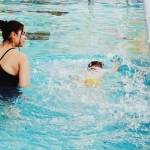

As the leaves drop and temperatures plummet, packing a damp swim bag is usually the last thing on a parent's mind. When the fall and winter months arrive, families naturally transition toward indoor sports like gymnastics or basketball, or simply embrace the season of hibernation. It is incredibly common for parents to pause their child's swim lessons in October, fully intending to pick them back up in May when summer vacation is on the horizon.
Swimming is overwhelmingly viewed as a seasonal, warm-weather activity. However, from a developmental and safety standpoint, this seasonal approach is fundamentally flawed.
Pulling your child out of the pool for six to eight months does not just pause their progress; it actively reverses it. Here is the science behind why stopping swim lessons in the winter severely delays aquatic development, and why year-round swimming is the best investment you can make for your child's water safety.
The Neurological Reality of "Use It or Lose It"
To understand why a winter break is so detrimental, you have to understand how children learn complex motor skills.
Swimming is not a natural human instinct like walking. It requires the brain to build entirely new neurological pathways to handle buoyancy, breath control, and the cross-coordination of moving the arms and legs independently in a zero-gravity environment.
When a child takes lessons consistently, these neural pathways thicken and become permanent—a concept commonly known as muscle memory. But in young, developing brains, these pathways are fragile. If a child spends four months mastering the rhythmic breathing required for freestyle, and then does not enter a pool for six months, those unused neural connections begin to prune themselves.
When you return to the pool in the spring, your child will not pick up exactly where they left off. They will have lost their feel for the water. The first several weeks (and the first chunk of your tuition money) of spring lessons will be entirely wasted simply relearning the skills they had already mastered the previous fall.
The Confidence Crisis and the Return of Fear
Physical regression is frustrating, but psychological regression is often much harder to overcome.
For many young children, the water is an inherently intimidating environment. It takes weeks of gentle, consistent exposure for a hesitant child to finally trust that the water will hold them up and that their instructor will keep them safe. When that child finally puts their face underwater without crying, it is a massive psychological victory.
Taking a six-month break breaks that hard-won trust. When a nervous child is reintroduced to the water after a long hiatus, the sensory shock of the pool—the noise, the temperature, the feeling of water in their ears—feels entirely foreign again. The fear and aquaphobia they worked so hard to conquer often come rushing back. Instead of advancing to the next swim level, the child spends the first month of summer just trying to overcome their tears and regain their basic comfort level.
Consistent, year-round lessons normalize the aquatic environment, transforming the pool from a "scary summer activity" into a comfortable, deeply familiar weekly routine.
Busting the "Winter Cold" Myth
One of the primary reasons parents pull their kids from winter lessons is the persistent myth that going out into the cold with wet hair will make a child sick.
Medical science has thoroughly debunked this. Colds and the flu are caused by viruses, not by temperature. In fact, keeping your child enrolled in winter swim lessons can actually improve their winter health for two distinct reasons:
-
Cardiovascular Immunity: Regular aerobic exercise strengthens the immune system. During the winter, when outdoor play is limited by snow and freezing temperatures, children often become sedentary. An indoor, heated pool provides the intense cardiovascular workout their bodies need to stay resilient against seasonal bugs.
-
Respiratory Health: The dry, heated air inside our homes during the winter is notorious for drying out the respiratory tract, making it easier for viruses to take hold. The warm, highly humidified air of an indoor aquatic facility is incredibly soothing for a child's lungs and nasal passages.
Water Safety Does Not Have a Season
We associate drowning risks with summer beach days and backyard pool parties, but water hazards exist 365 days a year.
Families often take winter vacations to tropical resorts, book hotels with indoor pools for minor hockey tournaments, or visit relatives with backyard hot tubs. Furthermore, natural bodies of water present unique winter hazards; a child wandering onto a partially frozen pond or creek faces an immediate, life-threatening situation.
Water survival skills—such as knowing how to orient oneself after falling in, treading water, and floating on the back to conserve energy—must be razor-sharp at all times. If your child's survival skills have rusted over the winter, they are severely compromised when they unexpectedly encounter deep water in December or March.
Avoiding the "Spring Scramble"
Every May, swim schools are flooded with panicked phone calls from parents trying to get their kids enrolled in intensive lessons before cottage season begins. This "spring scramble" puts immense pressure on the child to rapidly learn life-saving skills in just a few short weeks.
Learning to swim should never be a high-pressure, rushed endeavor. It should be a steady, progressive journey.
By committing to year-round swimming, you remove the stress from the equation. When the first warm weekend of summer finally arrives, you will not be nervously hovering on the pool deck wondering if your child remembers how to tread water. Instead, you can sit back and watch them confidently, safely, and joyfully dive right in.