
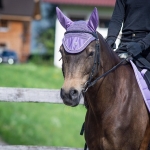

For horse owners, trainers, and equestrian facilities, having a well-designed riding arena can make a significant difference in everyday riding, training, and horse care. A properly constructed arena provides a reliable environment for lessons, exercise, competitions, and recreational riding while helping horses and riders perform more comfortably and safely.
If you are considering riding arena construction in Charlottesville VA, careful planning is essential. From selecting the right location and footing to designing drainage and choosing durable materials, every part of the project can influence how well the arena performs over time.
Why a Quality Riding Arena Matters
A riding arena is much more than an enclosed area where horses can exercise. It is a purpose-built environment designed around the needs of both horse and rider. The dimensions, surface, drainage, fencing, lighting, and surrounding structures all contribute to the arena's functionality.
For private horse owners, an arena can provide convenient access to a controlled riding environment without relying on public facilities. For professional trainers and equestrian businesses, a well-built arena can support lessons, training programs, boarding services, and events.
A quality arena can also make riding more consistent. Weather and ground conditions can make outdoor riding difficult, particularly when natural surfaces become muddy, uneven, or excessively hard. A professionally constructed arena with an appropriate footing system can provide a more dependable surface throughout the year.
Planning Riding Arena Construction in Charlottesville VA
Before construction begins, the property should be evaluated carefully. Charlottesville and the surrounding Virginia region have varied terrain, soil conditions, and weather patterns, making site preparation an important part of arena construction.
The first step is determining where the arena should be positioned. The location should provide sufficient space for the arena itself as well as access routes, drainage systems, fencing, parking, and potentially future equestrian structures.
Topography is another important consideration. A site that appears suitable at first may require substantial grading or excavation before construction can begin. Proper grading helps create the foundation needed for a stable arena while directing water away from the riding surface.
Soil conditions should also be considered. Understanding the existing soil can help determine what type of base preparation and drainage system will be necessary. Investing in proper site preparation at the beginning can reduce maintenance problems later.
Choosing the Right Arena Size
The ideal riding arena size depends on how the space will be used. A private arena designed primarily for casual riding may have different requirements from a facility intended for dressage, jumping, training, or competitions.
Common arena dimensions can vary depending on the discipline and available property. Smaller arenas may work well for individual riders and basic training, while larger arenas provide additional flexibility for multiple riders, jumping courses, and organized lessons.
When planning the size, it is important to think beyond current needs. If the property may eventually accommodate additional horses, trainers, or riding activities, building an arena with future use in mind can be beneficial.
The surrounding space matters as well. Adequate clearance around the arena can improve accessibility and make it easier to maintain fencing, drainage, lighting, and other components.
Arena Footing Is a Critical Investment
One of the most important components of a riding arena is its footing. The riding surface affects traction, cushioning, stability, and overall comfort for horses and riders.
Different equestrian disciplines may require different footing characteristics. Dressage riders, jumpers, and general-purpose riders can have different preferences based on the type and intensity of training performed.
Arena footing systems can include combinations of materials such as sand and other footing additives. The goal is to develop a surface that provides an appropriate balance between stability and cushioning while remaining manageable to maintain.
Simply placing sand on the ground is not enough to create a dependable riding surface. Proper preparation of the subgrade, base, drainage, and footing layers is essential. The construction process should be designed as a complete system rather than treating footing as an afterthought.
Drainage and Charlottesville Weather
Water management should be a major consideration when planning riding arena construction Charlottesville VA. Rain can quickly affect an improperly designed arena, leading to standing water, erosion, muddy areas, and deterioration of the riding surface.
A properly engineered drainage system helps move water away from the arena. Depending on the property, construction may include grading, perimeter drains, subsurface drainage, swales, or other water-management features.
The objective is not simply to remove water after a storm. Good drainage begins with designing the entire site so water has a controlled path away from the riding surface.
Proper drainage can help protect the arena's foundation and footing while reducing the amount of maintenance required after periods of heavy rain.
Covered vs. Outdoor Riding Arenas
One of the biggest decisions for an equestrian property is whether to construct an outdoor arena or a covered riding arena.
Outdoor arenas can provide an excellent riding environment while generally requiring less structural construction than an enclosed facility. They can also take advantage of natural daylight and open surroundings.
Covered arenas offer another level of versatility. Riders can train during rain, snow, or intense summer conditions without being directly exposed to the weather. For professional facilities, a covered arena can potentially increase the amount of time the facility can be used throughout the year.
The best option depends on the property's goals, budget, available space, and intended riding schedule.
Fencing and Safety Features
Arena fencing should complement the riding environment while providing appropriate separation between horses, riders, and surrounding areas.
The design should minimize unnecessary hazards such as sharp edges, exposed hardware, or features that could cause injury. Visibility is also important, particularly for trainers supervising multiple riders.
Additional safety considerations can include properly positioned gates, safe access points, appropriate lighting, and clear separation between the riding area and vehicle or pedestrian traffic.
For jumping arenas, the layout should also provide adequate room for obstacles, approach distances, and rider movement.
Lighting for Extended Use
Arena lighting can significantly increase the usability of an equestrian facility. Properly positioned lighting allows riders to train during early mornings, evenings, or periods when natural daylight is limited.
Lighting should provide consistent visibility across the riding surface while minimizing glare and distracting shadows. Fixtures and electrical components should also be selected and positioned with the equestrian environment in mind.
For a covered arena, lighting becomes even more important because the roof structure naturally limits available daylight.
Designing an Arena for Long-Term Value
A riding arena represents a significant investment, so construction should focus on long-term performance rather than simply minimizing the initial cost.
Quality site preparation, durable materials, effective drainage, and appropriate footing can help reduce recurring maintenance expenses. Regular maintenance is still necessary, including dragging or grooming the footing, monitoring drainage, repairing fencing, and addressing areas of wear.
The arena should also be designed with maintenance access in mind. Equipment needs to reach the riding surface without creating unnecessary disruption to surrounding areas.
Working With Experienced Riding Arena Builders
The complexity of arena construction makes professional planning and construction valuable. Experienced contractors can evaluate the property, identify potential site challenges, recommend appropriate construction methods, and coordinate important elements such as grading, drainage, footing, fencing, and structural work.
Before selecting a contractor, property owners should review previous arena projects and discuss their specific goals. It is useful to ask about site preparation, drainage, footing systems, construction timelines, and maintenance requirements.
A contractor familiar with equestrian construction can also help identify potential problems before they become expensive changes during construction.
Build an Arena That Fits Your Charlottesville Property
A successful riding arena starts with thoughtful planning. The right location, foundation, drainage, footing, dimensions, fencing, and lighting all contribute to a facility that is comfortable and functional for horses and riders.
For anyone considering riding arena construction in Charlottesville VA, investing in proper design and site preparation can make the difference between an arena that simply looks good when it is finished and one that continues performing well for years.
Whether the goal is a private training arena, a professional equestrian facility, or a multipurpose riding space, the project should be designed around the property's unique conditions and the rider's intended use. With the right planning and experienced construction team, a Charlottesville-area property can become a practical, durable, and enjoyable environment for equestrian activities.