






Pelvic floor dysfunction is one of the most misunderstood areas of physical health. For years, it has been framed almost exclusively as a postpartum issue—something that primarily affects women after childbirth. While pregnancy and delivery can certainly play a role, this narrow view has led many people to overlook symptoms that have nothing to do with being a new mom.
In reality, pelvic floor issues affect a much broader population, including men, athletes, office workers, and individuals who have never had children. Clinics like Brampton Physiotherapy & Wellness Clinic, Ignite Health Clinic are seeing a growing number of patients seeking help for symptoms they didn’t even realize were connected to the pelvic floor.
Understanding what the pelvic floor does—and how dysfunction presents—is the first step toward addressing a problem that often goes untreated for far too long.
What Is the Pelvic Floor and Why Does It Matter?
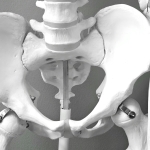
The pelvic floor is a group of muscles located at the base of your pelvis. These muscles support key organs such as the bladder, bowel, and (in women) the uterus. They also play a critical role in core stability, posture, and everyday movements like walking, lifting, and even breathing.
What many people don’t realize is that the pelvic floor doesn’t work in isolation. It functions as part of a larger system alongside the diaphragm, deep abdominal muscles, and lower back. When one part of this system isn’t working properly, the entire chain is affected.
This is why pelvic floor dysfunction can show up in ways that seem completely unrelated.
It’s Not Just About Pregnancy
Pregnancy and childbirth can weaken or strain pelvic floor muscles, but they are far from the only causes of dysfunction. Many people who experience pelvic floor issues have never been pregnant.
Some common contributing factors include:
- Prolonged sitting (especially desk jobs)
- Poor posture
- Chronic heavy lifting
- High-impact sports
- Previous injuries or surgeries
- Chronic coughing or straining
Even stress can play a role. Just like people carry tension in their shoulders or jaw, it’s possible to hold tension in the pelvic floor—leading to tightness rather than weakness.
At Brampton Physiotherapy & Wellness Clinic, Ignite Health Clinic, practitioners often see patients who are surprised to learn that their symptoms stem from pelvic floor dysfunction rather than the area where they feel pain.
The Symptoms Most People Overlook
Pelvic floor issues are frequently misdiagnosed because the symptoms don’t always point directly to the source of the problem.
Some of the most common (and often ignored) signs include:
- Lower back pain that doesn’t resolve with standard treatment
- Hip or groin discomfort
- Pain during exercise or certain movements
- Urinary urgency or leakage
- Constipation or difficulty with bowel movements
- A feeling of heaviness or pressure in the pelvic region
These symptoms are often treated individually, without addressing the underlying dysfunction. As a result, people may spend months—or even years—trying different treatments without lasting relief.
Weak vs. Tight: The Misconception Around Pelvic Floor Health
One of the biggest misconceptions is that pelvic floor problems are always caused by weakness. While that can be true in some cases, many people actually have a pelvic floor that is too tight.
A tight pelvic floor can be just as problematic as a weak one. It can limit mobility, disrupt coordination with other muscles, and create pain or discomfort during normal activities.
This is why generic advice—like doing endless Kegel exercises—can sometimes make symptoms worse rather than better. Without proper assessment, it’s impossible to know whether the goal should be strengthening, relaxing, or retraining the muscles entirely.
The Connection to Core Strength and Posture
The pelvic floor is a foundational part of your core. When it isn’t functioning properly, other muscles are forced to compensate. This often leads to poor posture, inefficient movement patterns, and increased strain on the lower back and hips.
For example, someone with pelvic floor dysfunction might:
- Overuse their lower back muscles when lifting
- Struggle to engage their core during exercise
- Experience recurring injuries due to instability
Over time, these compensations can lead to chronic pain and reduced performance in both daily life and physical activity.
Clinics like Brampton Physiotherapy & Wellness Clinic, Ignite Health Clinic take a full-body approach, recognizing that pelvic floor health is deeply connected to how the entire body moves and functions.
Why Early Treatment Matters
One of the biggest challenges with pelvic floor dysfunction is that people often delay seeking help. Symptoms may feel minor at first, or they may be dismissed as “normal,” especially after childbirth or with aging.
However, untreated dysfunction rarely resolves on its own. In many cases, it gradually worsens as compensations build and strain increases.
Early intervention can:
- Prevent symptoms from becoming chronic
- Improve mobility and strength
- Restore proper muscle coordination
- Reduce the risk of future injuries
Perhaps most importantly, it can improve quality of life in ways that many people don’t expect.
How Physiotherapy Can Help
Pelvic floor physiotherapy focuses on assessing how these muscles function within the larger system of the body. Treatment is highly individualized and may include:
- Movement and posture assessment
- Breathing techniques to improve coordination
- Targeted strengthening or relaxation exercises
- Manual therapy
- Education on daily habits and ergonomics
Rather than isolating one area, the goal is to restore balance across the entire system.
At Brampton Physiotherapy & Wellness Clinic, Ignite Health Clinic, this integrated approach helps patients understand not just what’s wrong, but why it’s happening—and how to fix it in a sustainable way.
A Broader Conversation Around Pelvic Health
Pelvic floor dysfunction has long been under-discussed, partly because of stigma and partly because of misunderstanding. But as awareness grows, more people are recognizing that these issues are both common and treatable.
Expanding the conversation beyond postpartum care is essential. Pelvic floor health is not limited to one stage of life or one group of people—it’s a fundamental part of overall physical well-being.
For anyone dealing with persistent pain, unexplained symptoms, or recurring injuries, the pelvic floor may be an overlooked piece of the puzzle. Addressing it can often unlock improvements that other treatments alone cannot achieve.