
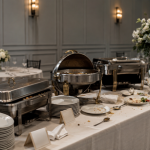

Planning an event often looks exciting at first. Whether it is a wedding reception, birthday celebration, corporate gathering, fundraiser, or family reunion, food usually becomes one of the biggest highlights guests remember. A well-organized catering experience can help everything flow smoothly, while poor planning can quickly create stress, confusion, and disappointment. That is why understanding common catering service mistakes before the event begins can save time, money, and unnecessary frustration.
Many event hosts focus heavily on decorations, entertainment, and venue setup while overlooking important catering details until the last minute. Unfortunately, even small decisions related to food timing, guest count, menu selection, or communication can affect the entire event experience. Learning what to avoid allows hosts to stay organized, manage expectations, and create a more enjoyable atmosphere for everyone attending.
Why Catering Planning Matters More Than Most People Realize
Food plays a bigger role in events than many people expect. Guests may forget the table centerpieces or background music, but they often remember whether the food was fresh, flavorful, served on time, and suitable for their dietary needs. Catering influences comfort, mood, energy, and even the social atmosphere of an event.
Good planning also helps prevent avoidable expenses and scheduling problems. When catering arrangements are rushed or unclear, issues such as food shortages, delayed serving times, or menu confusion can happen quickly. Understanding the most common catering service mistakes helps event organizers avoid these situations before they become major problems.
7 Catering Service Mistakes to Avoid When Planning an Event
Great events are often remembered for the food, service, and overall dining experience guests enjoy throughout the occasion. While catering can elevate any gathering, poor planning decisions may lead to delays, shortages, or unnecessary stress. Understanding common catering service mistakes early can help organizers create smoother, more enjoyable, and well-coordinated events.
1. Waiting Too Long to Book a Caterer
One of the most common catering service mistakes is delaying the booking process. Many experienced caterers are reserved months in advance, especially during busy seasons like holidays, graduation periods, and wedding months.
Waiting too long can lead to:
- Limited menu options
- Higher pricing
- Reduced scheduling flexibility
- Settling for inexperienced providers
- Increased stress close to the event date
Booking early gives event organizers more time to discuss menu preferences, guest accommodations, serving styles, and event logistics. It also creates room for adjustments if changes arise later in the planning process.
For larger events, booking several months ahead is often recommended. Smaller gatherings may not require as much lead time, but early communication still improves preparation and coordination.
2. Underestimating Guest Count
Incorrect guest estimates can create serious catering challenges. Some hosts assume fewer people will attend, while others forget to account for plus-ones, children, vendors, or late confirmations.
Underestimating attendance can result in:
- Food shortages
- Smaller portion availability
- Long buffet lines
- Extra emergency costs
- Unhappy guests
Overestimating can also become expensive because too much food may go unused. The goal is to provide a realistic estimate based on confirmed responses and expected attendance patterns.
Helpful ways to improve guest count accuracy include:
- Sending invitations early
- Setting RSVP deadlines
- Following up with undecided guests
- Adding a small buffer for unexpected attendees
Even experienced planners sometimes struggle with attendance estimates, but careful tracking can significantly reduce problems.
3. Ignoring Dietary Restrictions and Food Allergies
Modern events often include guests with different dietary needs. Ignoring these requirements is one of the catering service mistakes that can negatively affect both guest comfort and safety.
Common dietary considerations include:
- Food allergies
- Vegetarian preferences
- Vegan diets
- Gluten-free meals
- Religious dietary restrictions
- Low-sodium or diabetic-friendly options
Failing to prepare for these needs may leave some guests without safe or enjoyable meal choices. In serious allergy situations, cross-contamination can even become dangerous.
Event organizers should collect dietary information during the RSVP process whenever possible. Sharing this information clearly with the caterer helps ensure proper preparation and labeling.
Simple accommodations can make a major difference in how included guests feel during the event.
4. Choosing a Menu Based Only on Price
Budget matters for every event, but selecting catering services based only on the cheapest option can create bigger problems later. Lower pricing sometimes means smaller portions, lower ingredient quality, poor staffing, or limited service reliability.
A menu should balance:
- Food quality
- Portion size
- Service experience
- Guest satisfaction
- Budget considerations
This does not mean expensive catering is always better. Instead, event hosts should compare value rather than focusing only on the lowest number.
Questions worth asking include:
- What is included in the package?
- Are serving staff included?
- Does setup and cleanup cost extra?
- Are utensils and tableware provided?
- How flexible is the menu?
Tasting sessions can also help hosts evaluate food quality before committing to a final decision.
5. Not Matching the Menu to the Event Style
Different events require different dining experiences. A formal business conference may need something entirely different from a casual backyard celebration or evening wedding reception.
One of the overlooked catering service mistakes is choosing food that does not fit the tone, timing, or atmosphere of the gathering.
For example:
- Heavy meals may feel inappropriate for daytime networking events
- Messy foods may not work well for standing receptions
- Complex plated meals may slow down casual celebrations
- Very limited menus may disappoint guests at formal occasions
The menu should support the event experience rather than compete with it.
Consider these factors when planning:
- Event duration
- Venue size
- Seating availability
- Guest age range
- Time of day
- Weather conditions
- Formality level
Matching the catering style to the event environment helps guests feel comfortable and improves overall flow.
6. Failing to Discuss Logistics Clearly
Even excellent food can become a problem if logistics are poorly organized. Miscommunication about timing, setup, kitchen access, serving stations, or cleanup responsibilities can disrupt the entire event schedule.
Important logistics discussions should include:
- Arrival and setup times
- Serving schedule
- Venue restrictions
- Electrical access
- Kitchen availability
- Parking and unloading
- Cleanup expectations
- Leftover food handling
Without clear communication, delays may occur during food preparation or service. Some venues also have strict catering rules that organizers overlook until the event day.
Creating a written timeline can help everyone stay aligned. This timeline should include food preparation windows, serving times, speeches, entertainment breaks, and cleanup plans.
Good coordination between the venue, caterer, and event planner reduces confusion significantly.
7. Forgetting About Beverage Planning
Food often receives most of the attention, while beverages become an afterthought. However, drink planning affects guest comfort just as much as the menu itself.
Common beverage-related catering service mistakes include:
- Not ordering enough water
- Limited nonalcoholic choices
- Poor drink station placement
- Forgetting ice supplies
- Serving drinks that do not match the menu
- Long beverage lines
Events held outdoors or in warm weather especially require careful hydration planning.
A balanced beverage setup may include:
- Water stations
- Coffee and tea
- Soft drinks
- Juice options
- Mocktails
- Alcoholic beverages if appropriate
Drink availability should also match the event duration. Guests staying for several hours will naturally expect refreshment access throughout the gathering.
Thoughtful beverage planning improves guest comfort and helps the event feel more organized overall.
Smart Catering Habits That Help Events Run Smoothly
Avoiding mistakes is important, but successful events also rely on strong planning habits. Small organizational efforts often prevent larger problems from developing later.
Create a Detailed Catering Checklist
Keeping a checklist helps organizers track important details such as:
- Final guest count
- Menu approval
- Dietary accommodations
- Serving schedule
- Equipment needs
- Payment deadlines
- Staffing arrangements
Checklists reduce the chances of forgetting important discussions or deadlines.
Schedule a Final Confirmation Before the Event
A final confirmation meeting or phone call helps ensure everyone understands the latest updates.
This conversation should review:
- Event timing
- Guest count changes
- Venue access instructions
- Menu adjustments
- Emergency contacts
Last-minute reviews often catch small errors before they become serious issues.
Prepare for Unexpected Situations
Even well-planned events can encounter surprises. Weather changes, delayed guests, vendor issues, or equipment problems may occur without warning.
Having backup plans can reduce stress significantly.
Helpful backup preparations include:
- Extra beverages
- Flexible seating arrangements
- Emergency snacks
- Indoor alternatives for outdoor events
- Backup serving utensils
Preparedness creates smoother problem-solving when unexpected challenges arise.
Focus on Guest Experience
Sometimes event hosts become so focused on details that they forget the overall guest experience. Guests usually care more about comfort, atmosphere, and hospitality than perfection.
Simple touches often matter most, including:
- Friendly service
- Clear food labeling
- Comfortable seating
- Easy food access
- Balanced meal timing
A welcoming environment can leave a lasting positive impression even if small imperfections happen during the event.
Before You Finalize the Menu, Read This One More Time
Planning food service for an event involves much more than choosing dishes people may enjoy. Timing, organization, communication, guest needs, and logistical coordination all work together to shape the overall experience. Many catering service mistakes happen not because organizers are careless, but because important details are overlooked during busy planning stages.
Avoiding rushed decisions, discussing expectations clearly, and preparing for guest needs can make events feel far more polished and enjoyable. Thoughtful catering preparation helps reduce stress while creating a smoother experience for both hosts and attendees.
Before confirming any catering plans, taking the time to review these common mistakes may help prevent avoidable problems and lead to a more successful event from start to finish.