Silicone & Custom Elastomer Valves for Medical & Health Care
https://www.hopewellvalve.com/silicone-valve-for-medical-industry/
#medical #silicone #valves
Elastomer valves used in the medical industry must meet exceptionally stringent standards for safety, precision, and reliability. These components are critical in controlling fluid and air flow within sensitive healthcare systems, where failure is not acceptable. Requirements typically include medical-grade materials, ultra-tight tolerance... moreSilicone & Custom Elastomer Valves for Medical & Health Care
https://www.hopewellvalve.com/silicone-valve-for-medical-industry/
#medical #silicone #valves
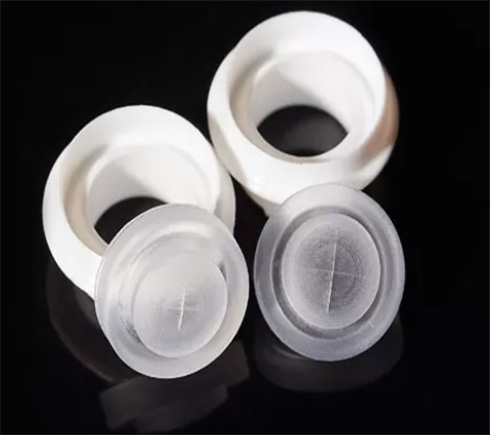
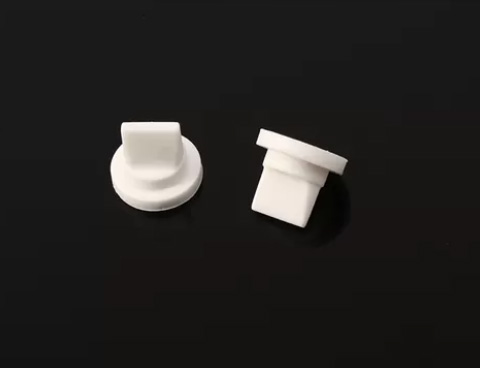
Elastomer valves used in the medical industry must meet exceptionally stringent standards for safety, precision, and reliability. These components are critical in controlling fluid and air flow within sensitive healthcare systems, where failure is not acceptable. Requirements typically include medical-grade materials, ultra-tight tolerances, cleanroom production, and stable performance after sterilization. With extensive experience in precision silicone molding, Hopewell provides custom silicone and elastomer check valves designed specifically for medical and healthcare applications, supporting both standard and highly specialized requirements.
Silicone & Custom Elastomer Valves Applications in Medical & Health Care
Compared to general industrial applications, medical valves demand higher consistency in dimensions, surface quality, and functional accuracy. Materials must comply with biocompatibility standards such as ISO 10993, while manufacturing environments often require controlled cleanliness to avoid contamination. In addition, valves must maintain their mechanical and sealing properties after exposure to sterilization methods.
Hopewell has successfully developed and supplied a variety of custom medical check valves to global customers, supporting both disposable and reusable medical device applications.
Customization & Engineering Support
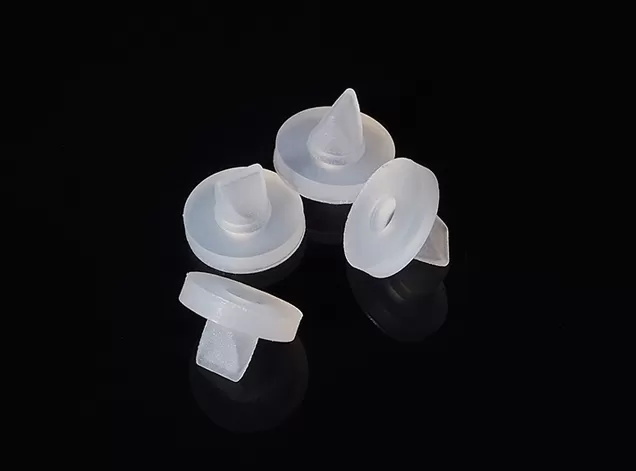
Hopewell provides custom solutions for medical elastomer valves, including slit geometry development (Y-slit, cross slit, duckbill, hemostatic), and material selection for biocompatibility and sterilization compatibility. We also support integration with medical devices, along with rapid prototyping and in-house tooling for efficient validation.
Our engineering team ensures compliance, precision, and stable performance to reduce development risk and speed up time-to-market. If you need high-precision silicone or custom elastomer valves for medical use, Hopewell is your trusted partner—contact us for a tailored solution.
One-Piece Silicone Bottle Valve for Commercial Sauce Dispensing Bottles
https://www.hopewellvalve.com/one-piece-silicone-bottle-valve-for-commercial-sauce-dispensing-bottles.html
#ketchup #bottle #valve
Table of Content [Hide]
1. Engineering Challenges
2. Hopewell's Development Solution
3. Production & NSF Compliance
4. Long-Term Partnership
5. Looking for a Reliable Silicone Valve Manufacturer?
With the fast pace of modern food service, condiments such as ketchup, mayonnaise, salad dr... moreOne-Piece Silicone Bottle Valve for Commercial Sauce Dispensing Bottles
https://www.hopewellvalve.com/one-piece-silicone-bottle-valve-for-commercial-sauce-dispensing-bottles.html
#ketchup #bottle #valve
Table of Content [Hide]
1. Engineering Challenges
2. Hopewell's Development Solution
3. Production & NSF Compliance
4. Long-Term Partnership
5. Looking for a Reliable Silicone Valve Manufacturer?
With the fast pace of modern food service, condiments such as ketchup, mayonnaise, salad dressing, and sauces are widely used in restaurants, sandwich shops, and commercial kitchens. As food service efficiency becomes more important, traditional sauce bottle designs have gradually evolved to improve dispensing speed and hygiene.
In 2015, a U.S. commercial kitchen equipment manufacturer approached us to develop a one-piece silicone bottle valve for a new first-in-first-out (FIFO) squeeze bottle system.
At that time, most commercial sauce bottles still used nozzle caps with flip lids. Staff needed to repeatedly open the cap, invert the bottle, and squeeze the sauce out. In busy kitchens, this operation was repeated dozens of times per day, causing significant wrist fatigue for employees.
Additionally, conventional nozzle caps could not maintain a sealed environment after dispensing. Continuous exposure to air could cause sauce contamination or spoilage over time.
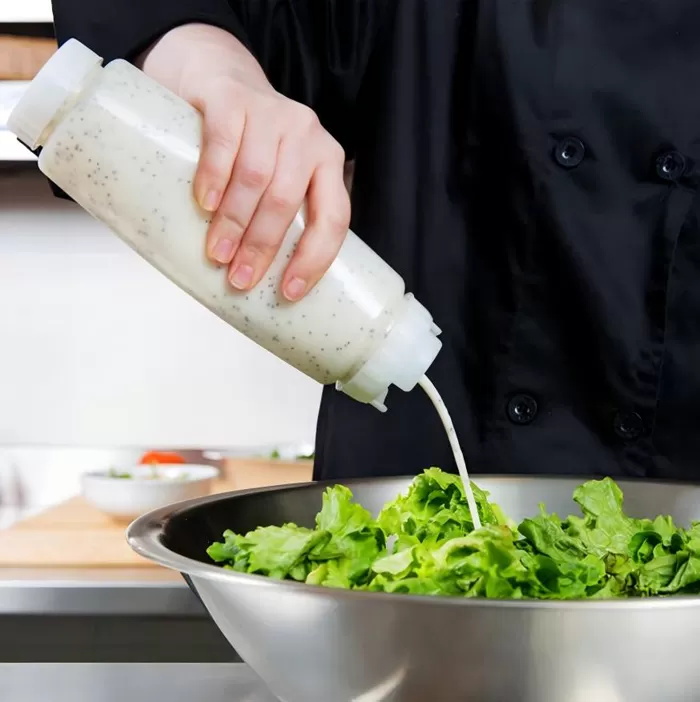
To solve these issues, the customer decided to upgrade their design using an inverted squeeze bottle with a silicone dispensing valve, similar to consumer ketchup bottle designs but adapted for large-capacity, reusable commercial bottles.
Engineering Challenges
Compared with consumer packaging, commercial food-service squeeze bottles place much higher demands on valve durability and performance:
Large bottle capacity requires higher dispensing force
Frequent repeated squeezing throughout the day
Long-term durability for reusable bottles
Reliable sealing performance to prevent leakage
Compliance with NSF certification requirements for food-service equipment in the United States
The valve needed to deliver consistent flow control, excellent sealing performance, and long service life.
Hopewell's Development Solution
After detailed technical discussions with the customer, Hopewell's engineering team quickly developed a customized one-piece silicone bottle valve solution.
1. High-Performance Silicone Material
We selected premium food-grade silicone with high tensile strength and elasticity, ensuring:
Excellent fatigue resistance
Long service life under repeated squeezing
Reliable sealing performance
2. Precision Valve Structure Design
The valve body dimensions and structure were optimized through multiple design iterations together with the customer to ensure compatibility with the squeeze bottle cap system.
3. Multiple Slit Design Options
During the prototype tooling stage, Hopewell designed multiple cross-slit configurations with different slit sizes.
This allowed the customer to rapidly test and select the optimal option for:
Opening pressure
Flow rate
Dispensing consistency
This approach significantly accelerated the development process.
Production & NSF Compliance
Once the design was finalized, the project moved to mass production. Because the product needed to meet NSF certification requirements, the Hopewell team implemented strict process controls.
Our engineering, production, quality, and sales teams collaborated closely to establish:
Complete SOP (Standard Operating Procedures)
Detailed SIP (Standard Inspection Procedures)
Material traceability
Production quality control
Consistent valve slit precision
These measures ensured the valve met both food safety requirements and long-term reliability standards.
Long-Term Partnership
Even though Hopewell's silicone valves are priced higher than some alternative suppliers, the customer has continued to rely on us as their long-term manufacturing partner.
The reason is simple:
Stable product performance
Excellent durability
Reliable certification compliance
Consistent production quality
Over the years, our silicone bottle valve has proven to be a reliable component in the customer's commercial squeeze bottle system used in professional kitchens.
Looking for a Reliable Silicone Valve Manufacturer?
Hopewell specializes in custom silicone flow control valves, with extensive experience in food-grade silicone molding and precision slit technology, we help customers develop reliable valve solutions for demanding applications.
If you are looking for a long-term supplier for custom silicone valves, our engineering team is ready to support your project.
Contact Hopewell today to discuss your custom valve design.
Umbrella Valve: Precision Engineered Silicone Check Valve Solutions
https://www.hopewellvalve.com/news/silicone-valves-vs-tpe-valves-materials-manufacturing-and-applications.html
#umbrella #check #valve
Table of Content [Hide]
1. What Is an Umbrella Valve?
2. How Does an Umbrella Valve Work?
3. Key Benefits and Industrial Applications
4. Selection Guide: Umbrella vs. Duckbill
5. Conclusion
Umbrella valves are essential elastomeric components that function as high-performance one-way che... moreUmbrella Valve: Precision Engineered Silicone Check Valve Solutions
https://www.hopewellvalve.com/news/silicone-valves-vs-tpe-valves-materials-manufacturing-and-applications.html
#umbrella #check #valve
Table of Content [Hide]
1. What Is an Umbrella Valve?
2. How Does an Umbrella Valve Work?
3. Key Benefits and Industrial Applications
4. Selection Guide: Umbrella vs. Duckbill
5. Conclusion
Umbrella valves are essential elastomeric components that function as high-performance one-way check valves, acting as the silent, reliable guardians of modern fluid management systems. By permitting flow in one direction while effectively preventing backflow, an umbrella valve ensures the structural integrity and long-term efficiency of sensitive applications. Whether you are maintaining the high-precision requirements of medical respiratory devices, optimizing the performance of automotive fuel systems, or ensuring consistent dosing in advanced household appliances, a high-quality silicone umbrella valve offers unmatched reliability and chemical stability.
At Hopewell, we leverage over 20 years of specialized expertise in silicone rubber molding to deliver precision-engineered solutions tailored to the most demanding industrial environments. Our commitment to quality ensures that every rubber umbrella valve we produce meets rigorous global standards for sealing performance and material longevity.
What Is an Umbrella Valve?
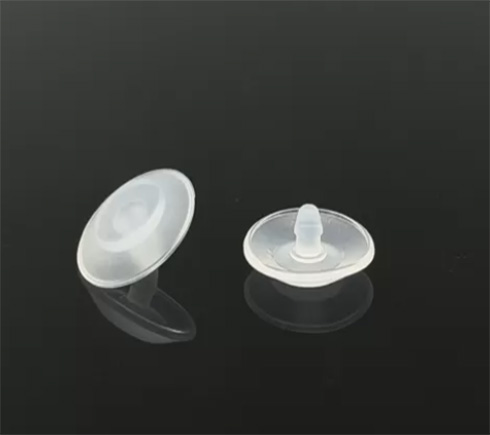
An umbrella check valve is a specialized elastomeric one-way component, characterized by its flexible, circular diaphragm—resembling the shape of an umbrella—connected to a central stem. Designed for autonomous flow regulation, this assembly is seated within a valve seat featuring one or more flow holes. The primary umbrella valve seal mechanism relies on the inherent elasticity of high-quality materials, particularly LSR (Liquid Silicone Rubber). When the valve is properly assembled, the center stem secures the component in place, while the umbrella-shaped edge maintains constant, uniform tension against the seat. This design allows it to seal or open based on pressure differentials, eliminating the need for additional mechanical components like springs or metallic hinges. The valve umbrella seal is engineered to remain static under closed conditions, ensuring that no leakage occurs in critical fluid lines.
How Does an Umbrella Valve Work?
The operation of an umbrella valve is entirely autonomous, governed by the physics of the surrounding fluid pressure:
Closed State: Under resting conditions or when backpressure is present, the elastic nature of the diaphragm keeps the outer edge pressed firmly against the valve seat. This creates a secure, leak-proof seal umbrella interface, preventing any backflow from occurring.
Opening Process: As inlet pressure increases and eventually exceeds the valve's pre-defined cracking pressure, the force acting on the underside of the diaphragm causes it to flex and lift away from the valve seat, effectively opening the flow path.
Resetting: Once the inlet pressure drops, the diaphragm's molded elastic memory forces it to immediately snap back to its closed position. This provides an instant, reliable seal, ensuring consistent performance cycle after cycle without the degradation associated with mechanical springs.
Key Benefits and Industrial Applications
Our silicone umbrella valve solutions are engineered for exceptional chemical resistance, extreme temperature stability, and extended service life.
Selection Guide: Umbrella vs. Duckbill
When designing your system, it is important to consider the differences between an umbrella check valve and a duckbill umbrella valve configuration. While both are elastomeric one-way valves, the umbrella type is often preferred for its superior static seal integrity and compact footprint. In contrast, a duckbill umbrella valve design may be utilized in systems requiring specific flow patterns or different cracking pressure profiles.
Selection Checklist:
Cracking Pressure: Clearly define the specific pressure required to open the valve for your application
Fluid Compatibility: Select material grades (e.g., medical or food-grade) that are fully compatible with your specific media
Application Environment: Consider temperature fluctuations and chemical exposure levels
Assembly Needs: Choose between manual pull-in or automated push-in stems based on your production line setup
Conclusion
At Hopewell, we combine advanced LSR injection molding with over 20 years of industry experience to provide reliable, precision-engineered silicone solutions. With our dedicated cleanroom production facilities and deep expertise in automated manufacturing, we support global customers from initial concept development to full-scale mass production. If you are looking for a reliable partner for your custom umbrella valve design or require professional material consultation for your specific project, please contact our engineering team today to discuss your requirements. Let us help you achieve superior fluid control performance.
Silicone Valves vs. TPE Valves: Materials, Manufacturing, and Applications
https://www.hopewellvalve.com/news/silicone-valves-vs-tpe-valves-materials-manufacturing-and-applications.html
#tpe #valve
Table of Content [Hide]
1. Manufacturing Processes: Chemical vs. Physical Forming
2. Application Scenarios: Performance vs. Sustainability
3. Custom Elastomer Valve Solutions from Hopewell
Silicone valves are self-sealing flow control components designed for precise and reliable dispensing. Ac... moreSilicone Valves vs. TPE Valves: Materials, Manufacturing, and Applications
https://www.hopewellvalve.com/news/silicone-valves-vs-tpe-valves-materials-manufacturing-and-applications.html
#tpe #valve
Table of Content [Hide]
1. Manufacturing Processes: Chemical vs. Physical Forming
2. Application Scenarios: Performance vs. Sustainability
3. Custom Elastomer Valve Solutions from Hopewell
Silicone valves are self-sealing flow control components designed for precise and reliable dispensing. Acting as a flexible membrane, the valve remains closed under normal conditions and opens automatically when internal pressure is applied. This structure allows liquids, air, or semi-fluids to pass through smoothly while effectively preventing leakage and backflow, making silicone valves ideal for applications requiring consistent performance and long-term durability.
TPE valves, on the other hand, are made from thermoplastic elastomer materials. Compared with silicone, TPE offers relatively lower elasticity and resilience, but its key advantage lies in recyclability and cost efficiency. TPE valves are therefore often selected for applications where environmental considerations, material reuse, or disposable product requirements are priorities.
At Hopewell, we are committed to delivering high-quality, cost-effective, and environmentally responsible elastomer valve solutions. After years of technical development and process optimization, we have established stable mass production capabilities for both silicone valves and TPE valves, enabling us to support customers with consistent quality, scalable output, and reliable supply.
Today, we would like to introduce the key differences between silicone valves and TPE valves from two important perspectives: manufacturing processes and application scenarios.
Manufacturing Processes: Chemical vs. Physical Forming
Silicone valves are primarily manufactured through compression molding and LSR (Liquid Silicone Rubber) injection molding. These processes rely on a chemical vulcanization reaction in which silicone transforms from a liquid or semi-liquid state into a solid elastomer through the action of curing agents. This chemical crosslinking gives silicone valves their superior elasticity, temperature resistance, and long-term sealing stability.
TPE valves are produced mainly by thermoplastic injection molding. In this process, solid TPE pellets are heated until they melt into a fluid state and then injected into a mold. The material solidifies as it cools, forming the final valve shape. This is a physical process rather than a chemical reaction, which enables efficient recycling and fast production cycles, but generally results in lower performance under extreme temperature, pressure, or repeated-use conditions.
Application Scenarios: Performance vs. Sustainability
Silicone valves and TPE valves serve different functional requirements in real-world applications.
TPE valves are commonly used in disposable or low-frequency-use products, where cost control and material recyclability are critical. Typical applications include packaging closures for food and beverage, household cleaning products, and personal care containers. In these markets, TPE valves provide sufficient sealing and dispensing performance for short-term or single-use products.
Silicone valves, by contrast, offer broader applicability and superior performance. Beyond packaging, silicone valves are widely used in medical devices, healthcare products, industrial fluid control systems, and harsh operating environments that demand high levels of sealing integrity, chemical resistance, temperature stability, and flow precision. Their ability to maintain performance under repeated cycles and extreme conditions makes silicone valves the preferred solution for mission-critical applications.
Custom Elastomer Valve Solutions from Hopewell
In addition to standard silicone and TPE valves, Hopewell manufactures custom elastomer valves using a variety of material options to meet specific chemical, thermal, and mechanical requirements. We provide prototype tooling, low-volume validation, and scalable high-volume production, enabling fast product development and long-term supply stability.
Whether your project requires specialized geometries, unique material properties, or application-specific performance, our engineering team is equipped to deliver reliable, manufacturable valve solutions that balance performance, cost, and sustainability.
Silicone Cross Slit Valve: Precision Flow Control & Backflow Prevention
https://www.hopewellvalve.com/news/silicone-cross-slit-valve-precision-flow-control-backflow-prevention.html
#silicone #cross #slit #valve
Table of Content [Hide]
1. What is a Silicone Cross Slit Valve and How Does It Function?
2. Why Are Silicone Cross Slit Valves Critical for Fluid Management?
3. How to Select the Right Material for Your Valves?
4. Key Applications: Where Our Valves Perform Best
5. How We Ensure P... moreSilicone Cross Slit Valve: Precision Flow Control & Backflow Prevention
https://www.hopewellvalve.com/news/silicone-cross-slit-valve-precision-flow-control-backflow-prevention.html
#silicone #cross #slit #valve
Table of Content [Hide]
1. What is a Silicone Cross Slit Valve and How Does It Function?
2. Why Are Silicone Cross Slit Valves Critical for Fluid Management?
3. How to Select the Right Material for Your Valves?
4. Key Applications: Where Our Valves Perform Best
5. How We Ensure Precision in Our Manufacturing Process
6. Why Choose Us for Your Custom Silicone Valve Solutions?
In the world of fluid management, reliability is not just a preference—it is a necessity. Among the various components that ensure seamless operation, the silicone cross slit valve stands out as a critical element. Whether for a medical device or a food dispensing system, this component serves as the silent gatekeeper, ensuring fluids move exactly where they are intended to go while preventing unwanted backflow.
What is a Silicone Cross Slit Valve and How Does It Function?
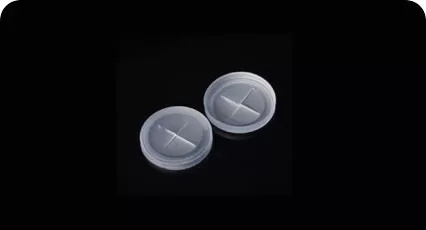
A silicone cross slit valve is a specialized fluid flow control valve designed for precise flow control and automatic backflow prevention. Unlike a mechanical actuating valve that requires external power, this design relies on material physics. It typically consists of a flexible silicone membrane featuring a precision-cut "cross" (or "X" slit in its center. The valve functions based on pressure differentials: when forward pressure is applied, the flaps of the cross-cut open to allow the passage of liquids or gases. Once the pressure is removed or when backpressure is detected, the resilient properties of the silicone material cause the flaps to snap shut, creating a tight, hermetic seal. This simple yet highly effective mechanical action acts as an air valve or liquid regulator, eliminating the need for complex internal springs, making it an elegant solution for high-volume applications.
Why Are Silicone Cross Slit Valves Critical for Fluid Management?
The efficiency of fluid systems—from beverage dispensers to drug delivery pumps—relies entirely on the ability to control flow direction and shutoff timing. While some systems might use a standard air release valve for pressure relief, the silicone cross slit valve offers unique advantages:
Prevent Contamination: By creating a positive seal, they prevent external contaminants from entering the flow path.
Ensure Consistency: Because they open at precise pressure thresholds, they help maintain a constant flow rate, which is vital for consumer and medical products.
Reduce Complexity: The design simplifies assembly. This is far more efficient than complex legacy components like a toilet flapper or traditional flapper for the toilet mechanisms, which are prone to mechanical failure over time.
How to Select the Right Material for Your Valves?
Choosing the correct silicone material is paramount to ensure your valve performs under specific environmental conditions. Whether you need an adjustable valve equivalent for low-pressure applications or a high-durability seal, material selection is key.
Chemical Compatibility: If your valve is exposed to harsh chemicals or fuels, fluorosilicone is often the best choice.
Medical Grade: For healthcare applications, ensure your material is biocompatible and platinum-cured.
Thermal Requirements: High-temperature environments require specialized grades that maintain elasticity without hardening. Our engineering team is ready to evaluate your specific application environment to recommend the optimal durometer and material grade to ensure long-term performance.
Key Applications: Where Our Valves Perform Best
Cross slit valves are utilized across diverse industries, providing reliable solutions for:
Food & Beverage: Essential in dispensing nozzles to prevent drips.
Medical Devices: Used in IV sets and drug delivery systems where precision is non-negotiable.
Automotive Systems: Integrated into fluid management systems for pressure regulation.
Household Appliances: Found in various pumping systems that require leak-free operation.
How We Ensure Precision in Our Manufacturing Process
At Hopewell, we understand that precision starts with the mold. We are among the first manufacturers in China to implement automated slit cutting and outer profile punching, which guarantees high dimensional consistency and stable opening pressure even in mass production.Our production relies on advanced Liquid Silicone Rubber (LSR) injection molding. Unlike conventional methods, LSR molding requires meticulous control over mold sealing and cavity balance. We utilize a Class 100,000 cleanroom environment to ensure that every silicone cross slit valve is produced to the highest standards of cleanliness and accuracy.
Advanced Mold Engineering: We utilize high-precision CNC machining to ensure microscopic tolerances and dimensional consistency.
Automated Slit Cutting: We are among the first in China to implement automated slit cutting and outer profile punching, which ensures stable opening pressure in mass production.
LSR Injection Molding: We use advanced Liquid Silicone Rubber (LSR) injection molding to maintain meticulous control over cavity balance, resulting in high-definition parts.
Certified Cleanroom Environment: Every valve is produced in a Class 100,000 cleanroom to meet the highest standards of cleanliness and accuracy.
Why Choose Us for Your Custom Silicone Valve Solutions?
With over 20 years of experience in silicone mold design and manufacturing, Hopewell is more than just a supplier; we are your technical partner. Since 2009, we have focused on solving the most challenging sealing and flow-control issues for global enterprises. Operating under ISO 9001, ISO 13485, and IATF 16949 certifications, we offer a level of quality assurance that supports your product through every stage of its lifecycle.
Precision Fluid Control: Why Choose Elastomeric Duckbill Check Valves for Your Application?
https://www.hopewellvalve.com/news/precision-fluid-control-why-choose-elastomeric-duckbill-check-valves-for-your-application.html
#elastomeric #check #valve
Table of Content [Hide]
1. Understanding Duckbill Valves: Core Working Principles
2. Key Technical Advantages: Why Duckbill Valves Excel
3. Standard Sizing & Targeted Applications: Our Product Lineup
4. Selecting the Right Configuration: Design... morePrecision Fluid Control: Why Choose Elastomeric Duckbill Check Valves for Your Application?
https://www.hopewellvalve.com/news/precision-fluid-control-why-choose-elastomeric-duckbill-check-valves-for-your-application.html
#elastomeric #check #valve
Table of Content [Hide]
1. Understanding Duckbill Valves: Core Working Principles
2. Key Technical Advantages: Why Duckbill Valves Excel
3. Standard Sizing & Targeted Applications: Our Product Lineup
4. Selecting the Right Configuration: Design and Installation Options
5. Partner with Our Experts: Custom Fluid Control Solutions
In modern fluid management, precision and reliability are non-negotiable. Whether you are engineering high-precision office supply components or high-volume consumer packaging, the components managing your fluid pathways dictate the success of your final product. Among the most effective solutions for a valve with flow control, the elastomeric duckbill check valve stands out as a premier choice for engineers seeking simplicity, durability, and high performance.
duckbill-valve.jpg
Understanding Duckbill Valves: Core Working Principles
At its core, a duckbill valve is a compact, single-piece one-way check valve engineered to facilitate forward flow while preventing backflow without the need for complex mechanical parts, springs, or hinges. The mechanism relies entirely on the natural elasticity of the premium silicone material.
Under normal conditions, the "lips" of the duck bill remain tightly sealed due to their inherent structural design. When forward pressure is applied, the lips flex open to allow fluid, gas, or viscous paste to pass through. As soon as the pressure is equalized or back pressure occurs, the elastomer naturally reverts to its closed position, creating a reliable, leak-proof seal. This pressure-differential mechanism completely eliminates common failure points found in traditional mechanical valves.
Key Technical Advantages: Why Duckbill Valves Excel
Duck valves are widely preferred over mechanical alternatives in demanding environments due to their superior structural tolerance .Below is a technical comparison for precision applications:
Standard Sizing & Targeted Applications: Our Product Lineup
As showcased in our standard product catalog, Hopewell's precision silicone valves are custom-engineered for specific industrial and consumer applications where fluid isolation is critical. Our off-the-shelf and customizable configurations include:
7.6mm Backflow Preventer (Precision Micro-Fluidics)
Specifications: Outer Diameter: 7.6mm | Slit Size: 2.2mm
Primary Application: Specifically optimized for ink cartridges and precision printing hardware, preventing air ingestion and ink leakage while maintaining stable structural pressure.
7.8mm One Way Valve (Consumer Hydration Systems)
Specifications: Outer Diameter: 7.8mm | Slit Size: 4mm
Primary Application: Ideal as a high-performance water check valve for premium water bottles, sports flasks, and travel mugs, offering a seamless drinking experience with zero accidental spills.
12.5mm Non Return Valve (High-Viscosity Dispensing)
Specifications: Outer Diameter: 12.5mm | Slit Size: 4.1mm
Primary Application: Engineered as a robust water valve and dispensing solution for viscous personal care products, such as liquid toothpaste pumps, lotions, and cosmetic packaging, ensuring clean cut-offs without dripping.
Selecting the Right Configuration: Design and Installation Options
Selecting the optimal valve is not just about choosing the right material; it is about how smoothly the component integrates into your product housing. At Hopewell, we provide various mounting configurations to suit different housing geometries:
Flanged: Features an outer flange for secure mechanical retention in pressurized setups.
Push-in: Ideal for rapid, automated assembly in plastic or metal housings using a friction-fit design.
Sleeved: Provides a streamlined, inline profile, perfect for compact assemblies where space is at a premium.
Partner with Our Experts: Custom Fluid Control Solutions
At Hopewell, we do not just supply standard parts; we provide fully engineered manufacturing solutions. With over 15 years of experience in high-precision silicone manufacturing and LSR (Liquid Silicone Rubber) injection molding, we understand the exact technical nuances required for flawless fluid control.
From initial concept development and slit-size calibration to automated mass production, our team is dedicated to solving your complex sealing challenges. We are proud to operate a 20,000 m² facility featuring Class 100,000 cleanroom production, ensuring that every single valve meets the highest international quality standards.
Ready to optimize your fluid system? Contact our engineering experts today to discuss your custom silicone project and discover how our precision duckbill solutions can enhance your product's performance.